The Theater of Sinners
Play The Theater of Sinners
The Theater of Sinners Screenshots
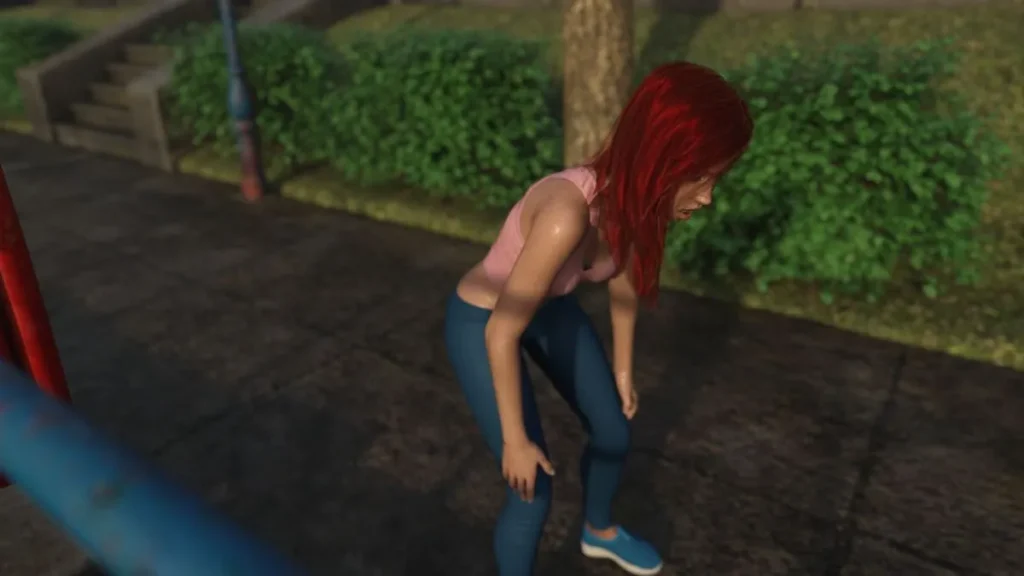
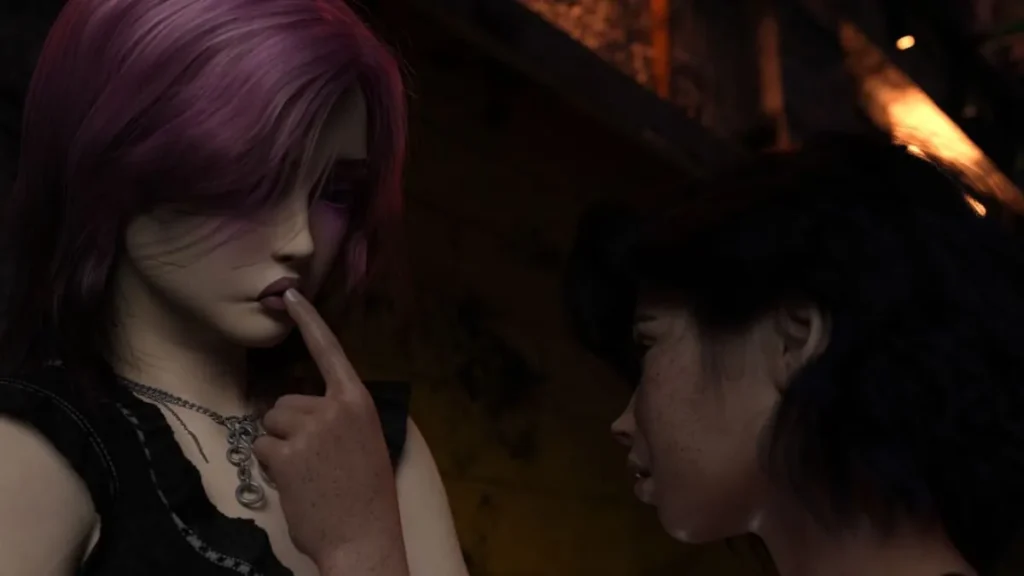
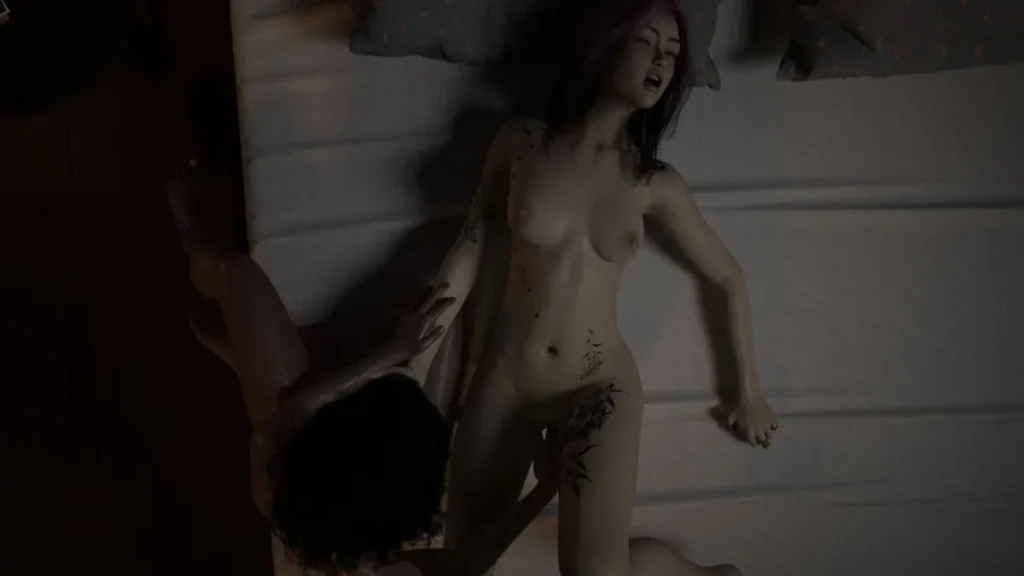
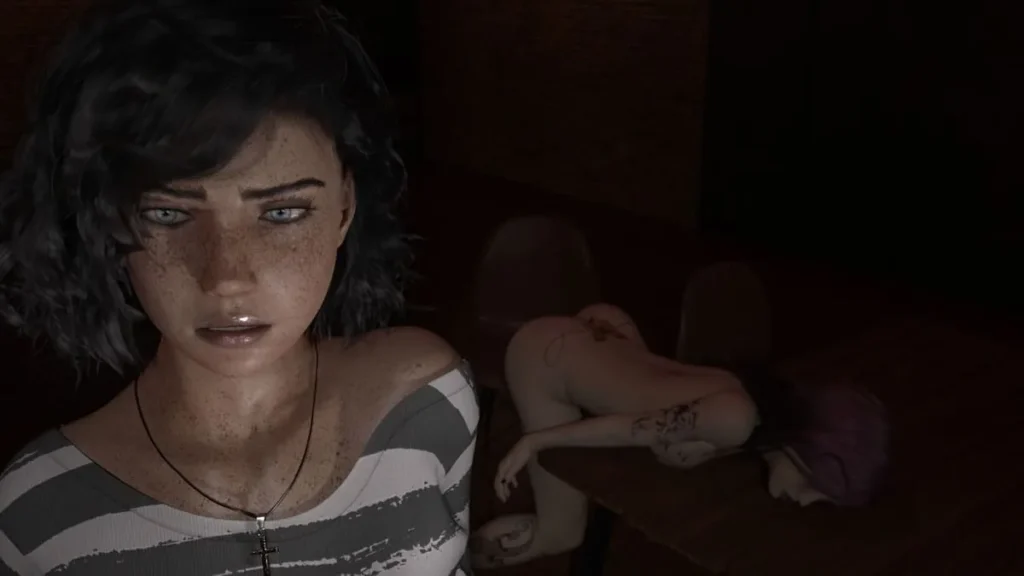


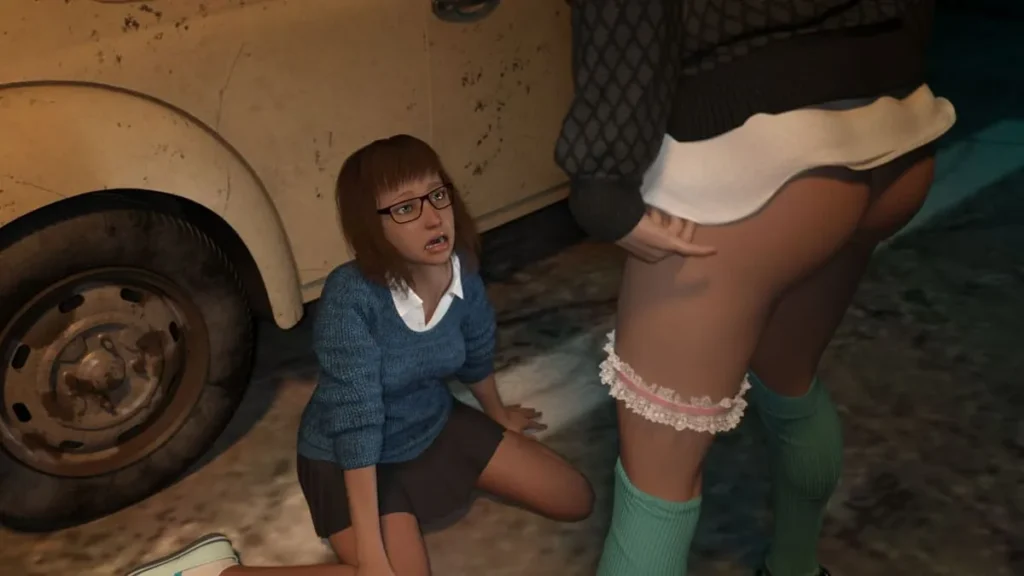
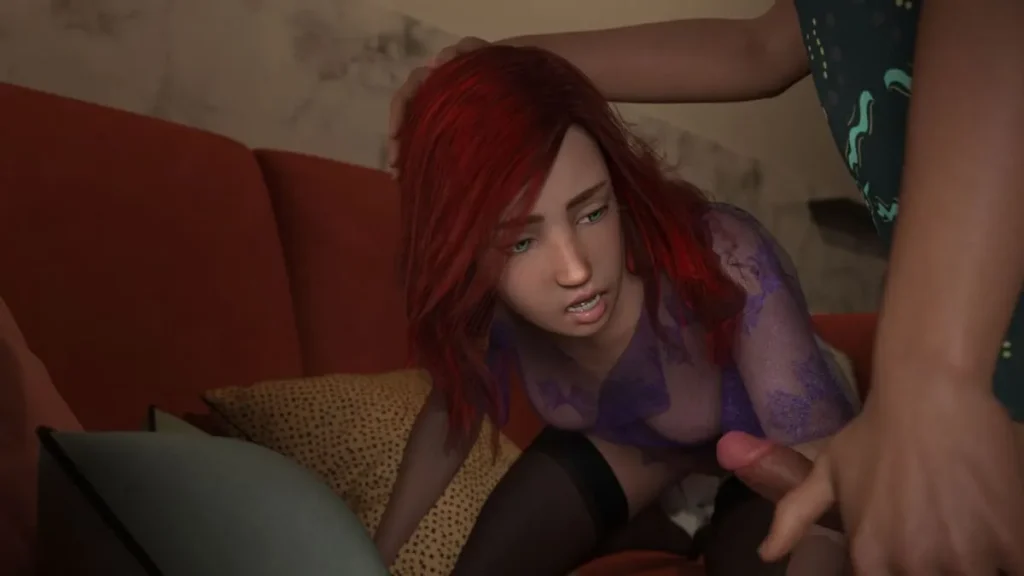
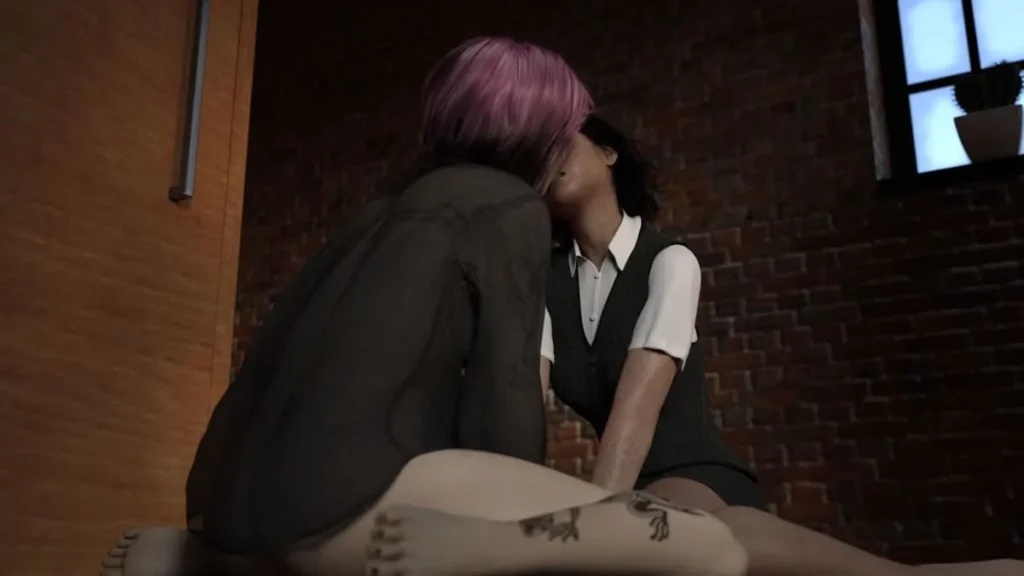

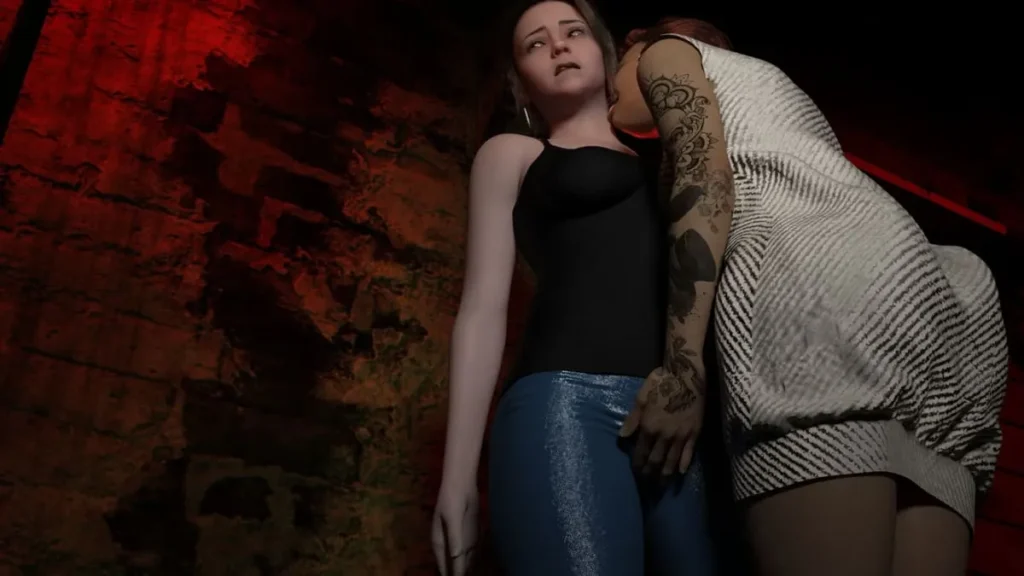

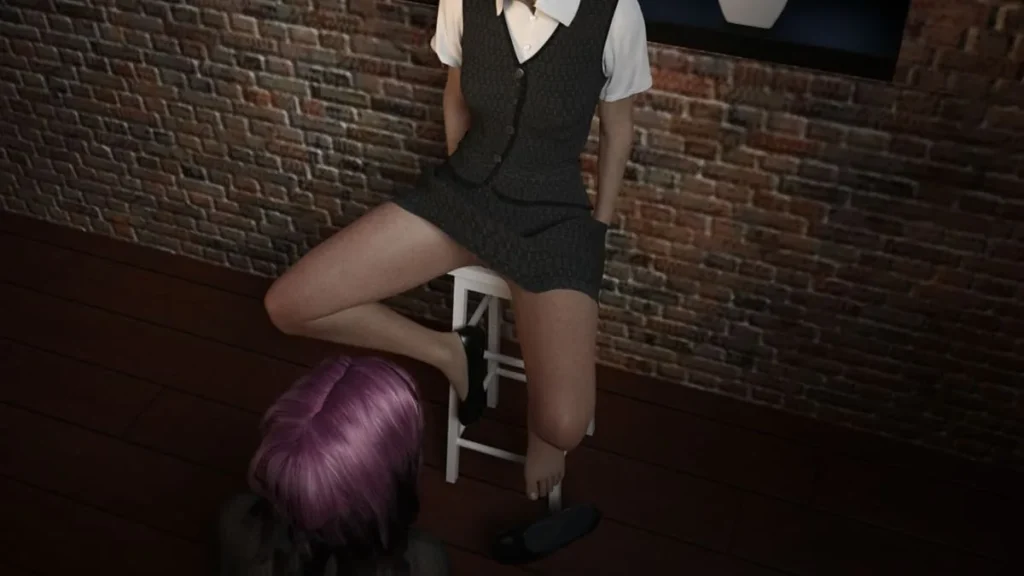
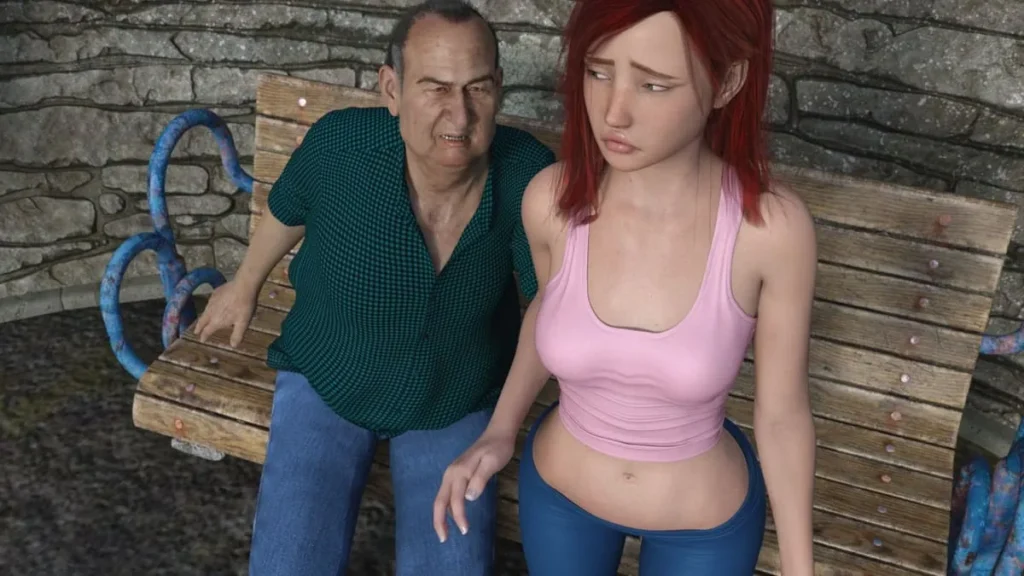
The Theater of Sinners review
Dive into humiliation, corruption, and twisted choices in this Ren’Py adult game
Ever stepped into a world where every choice drags you deeper into shadows of desire and despair? That’s The Theater of Sinners, the gripping Ren’Py visual novel by JustXThings that’s captivating players with its raw tale of humiliation and corruption. I still remember my first night diving in—Paula’s fall from grace hit like a gut punch, making me question every decision. This game isn’t just interactive fiction; it’s a psychological rollercoaster blending horror, BDSM dynamics, and moral ambiguity. Whether you’re here for the Theater of Sinners storyline, steamy scenes, or branching paths, this guide uncovers it all to enhance your playthrough.
What Makes The Theater of Sinners Uniquely Addictive?
It was one of those nights where you just can’t sleep. The rain was tapping against the window, and instead of scrolling through endless, mindless feeds, I stumbled into a forum thread about unsettling indie games. That’s where I first saw the name: The Theater of Sinners. The description was vague but dripping with atmosphere—something about a derelict theater, two broken girls, and choices that “linger.” I downloaded it on a whim. Big mistake. Or rather, a brilliantly consuming one. Three hours vanished in what felt like minutes, glued to the slow-burn dread and the twisted choices unfolding before me. I was hooked not by action, but by a profound, uncomfortable need to see where these shattered paths led. That’s the unique magic of this psychological horror game. It doesn’t just want to scare you; it wants to implicate you.
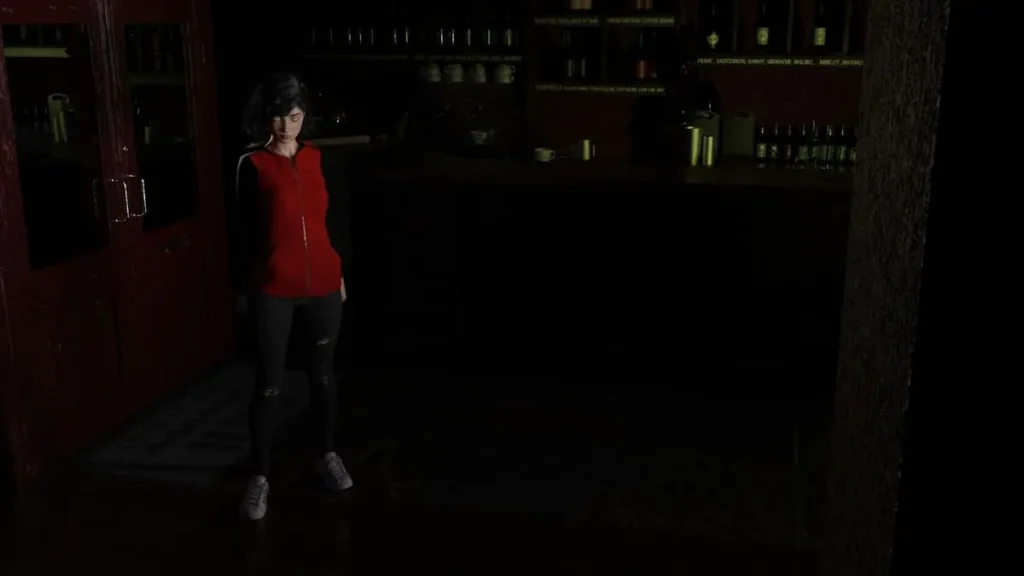
So, what is The Theater of Sinners? At its core, it’s a masterclass in character-driven storytelling within the Ren’Py engine. You don’t play as a hero. You navigate the fractured psyches of two young women, Paula and Rebecca, as their lives spiral into a nexus of humiliation, corruption, and desperate survival within a seemingly sentient, decaying theater. The real horror isn’t in a monster’s jump-scare, but in the quiet realization of how relatable their compromises can feel.
Who Are Paula and Rebecca in The Theater of Sinners?
To understand The Theater of Sinners storyline, you have to understand its protagonists. They aren’t blank slates; they are deeply, tragically crafted mirrors of damage from different worlds.
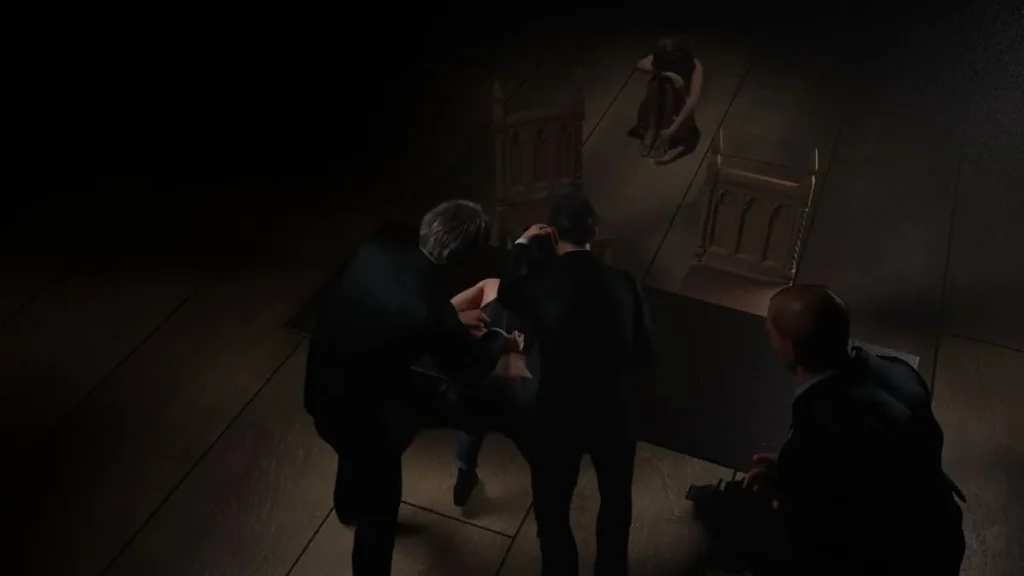
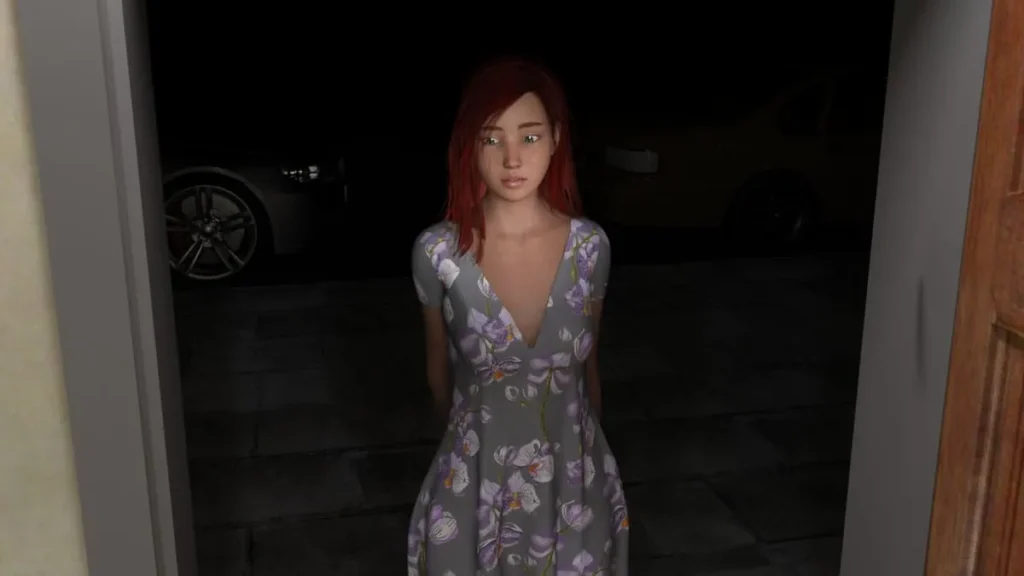
Paula is the girl who had everything, on paper. As the daughter of a powerful, influential figure, her life was a gilded cage of expectation. But privilege is a poor shield against targeted cruelty. Paula Theater of Sinners arc begins with her being systematically bullied and tormented by a group of delinquents. They don’t just want to hurt her; they want to corrupt her, to drag the pristine daughter of a pillar of the community down into the mud with them. Her journey is one of forced deviance. Will she break under the pressure, internalizing their venom and becoming something even worse? Or can a sliver of that former self survive? Playing Paula’s chapters feels like watching a slow-motion fall from grace, where every choice to resist or submit carries a terrifying weight.
Then there’s Rebecca. If Paula’s hell came from outside, Rebecca’s was homegrown. Rebecca Theater of Sinners backstory is a brutal study in cycles of abuse. Raised by a neglectful addict mother and a viciously abusive step-father, her entire worldview is shaped by violence and betrayal. The cruel irony—and the brilliant tragedy of her character—is that to survive, she often must become what she hates most. She’s hardened, street-smart, but pulsating with a raw, unhealed hurt. Her path isn’t about falling into corruption, but navigating an ocean of it without drowning. Can someone surrounded by darkness ever find light, or do they simply become a new kind of shadow?
Together, their stories intertwine within the metaphorical (and possibly literal) Theater of Sinners. This place is more than a setting; it’s a character. It reflects their trauma, amplifies their fears, and stages their most painful memories. Understanding these two is key to unlocking the game’s devastating power. You’re not making choices for a avatar; you’re steering two distinct, wounded souls. 😔
How Do Choices Shape the Twisted Narrative?
This is where The Theater of Sinners truly separates itself from the pack. Your Theater of Sinners choices are not simple good/evil binaries. They are subtle, stat-driven, and deeply consequential shifts in character mentality.
Think of it like this: every dialogue option, every action, feeds into hidden metrics like Defiance, Submission, Despair, or Corruption. These aren’t just numbers on a screen; they are the slowly setting cement of Paula and Rebecca’s personalities. A seemingly minor choice to talk back to a bully might raise Paula’s Defiance, making her slightly more resilient in a future encounter. Choosing to steal something to get by might nudge Rebecca’s Corruption higher, opening up new, darker paths later on.
The Theater of Sinners storyline branches in organic, often unexpected ways. A “milder” path might see a character suffering different kinds of psychological torment, while a “harsher” route can lead to shocking brutality or profound moral collapse. The game also uses a non-linear structure beautifully. You’ll unlock events and milestones that trigger haunting flashbacks, filling in the painful blanks of their pasts. These aren’t just exposition dumps; they’re emotional gut-punches that recontextualize everything you thought you knew.
Let me give you a story from my playthrough—a small choice with massive repercussions. Early on with Rebecca, I had the option to pocket a small, discarded trinket from her step-father’s room. It seemed inconsequential, almost a reflexive act of rebellion. I took it. Hours later, in a tense confrontation, that trinket became a piece of devastating “evidence” used against me in a way I never saw coming, locking me into a sequence of events far more brutal than I was prepared for. The game had remembered my petty theft and weaponized it. That’s the genius here: your choices matter, often in ways you can’t possibly predict on a first run.
Practical Advice: Savor every line of dialogue. The game loves to hide subtle hints about future consequences in seemingly throwaway lines. Also, embrace replayability! Trying to min-max stats for a specific outcome is missing the point. Instead, replay to let your instincts guide you differently, and watch how the Theater of Sinners storyline morphs into a wholly new tale of tragedy.
To help visualize the system, here’s a breakdown of the core mechanics:
| Mechanic | Description | Impact on Story | Player Tip |
|---|---|---|---|
| Decisions | Dialogue and action choices that feel psychologically true to the characters’ situations. | Directly alters narrative branches, character relationships, and available future choices. Can lead to drastically different endings. | Don’t overthink the “right” choice. Go with what feels right for the character *in that moment* for the most authentic experience. |
| Stats | Hidden attributes like Corruption, Defiance, and Despair that shift based on your choices. | Gatekeeps certain story paths and events. A high Corruption stat, for instance, unlocks darker but sometimes more powerful narrative options. | On a replay, focus on a stat. Want to see a defiant Paula? Consistently choose proud or resistant options, even when it’s harder. |
| Branching | The non-linear narrative that splits based on key decisions and stat thresholds. | Creates a highly personalized story. Two playthroughs can have entirely different key events and conclusions. | Use multiple save slots before major decisions or entering new areas of the theater to explore branches without restarting. |
| Events/Milestones | Key scenes unlocked by progressing the story or meeting specific stat conditions. | Reveal crucial backstory via flashbacks, deepen character bonds (or rivalries), and alter the story’s pace and tone. | If you feel stuck, revisit previous areas or characters. Sometimes, raising a stat will trigger a new, necessary event. |
Why Psychological Horror Elevates This Game
Forget zombies or ghosts. The most potent terror in The Theater of Sinners is existential. This is a psychological horror game in the truest sense. Its power comes from holding a mirror up to the darkest parts of human nature and circumstance.
The horror here is baked into the moral grey areas. There are rarely “good” choices, only varying degrees of compromise, survival, and degradation. Should Paula debase herself to gain momentary safety, preserving her body but shattering her spirit? Should Rebecca exploit a weaker person to avoid being exploited herself? The game forces you to sit in that discomfort. It explores cycles of abuse with unflinching honesty, showing how victims can sometimes become perpetrators, not out of evil, but out of a corrupted survival instinct.
Then there’s the guilt. Because you are complicit. Your clicks drive the narrative forward. When a choice leads to a terrible outcome, the game makes you feel responsible. That lingering dread—the “what have I done?” feeling—is far more effective than any cheap scare. The theater itself adds a layer of supernatural-tinged dread. Is it literally alive? A manifestation of their collective trauma? Or just a rotten building reflecting their broken minds? The ambiguity is chilling. 😨
This approach makes The Theater of Sinners brilliant for players who crave depth over action. It’s a slow, deliberate, and emotionally exhausting experience that rewards patience and emotional investment. You’re not playing to “win”; you’re playing to witness, to understand, and to survive the emotional gauntlet.
Actionable Tip: Keep a mental (or even physical) note of your key alliances and rivalries with other characters. The social dynamics in this game are a minefield. Trusting the wrong person at a critical juncture can lead to devastating betrayals that completely alter the Theater of Sinners storyline. Pay close attention to who benefits from your struggles—they might not be your friend.
In the end, what is The Theater of Sinners if not a compelling, harrowing exploration of broken people in a breaking world? Its addiction lies in its brave commitment to its themes, its complex characters like Paula and Rebecca, and a choice system that makes you the author of your own discomfort. It’s a game that stays with you, long after you’ve closed the window on that creepy, captivating theater.
Frequently Asked Questions
-
How long to complete a playthrough?
A single, focused playthrough for one character’s main path can take 4-6 hours. However, to experience a significant portion of the Theater of Sinners storyline branches and see both Paula and Rebecca’s perspectives, expect to invest 15-20 hours across multiple replays. -
Does the order of events matter?
Absolutely. While the game has non-linear elements, the sequence in which you unlock certain events can change their context and emotional impact. A flashback seen early might generate sympathy, while the same flashback seen after a character’s cruel act can generate tragic understanding. -
Is there romance in The Theater of Sinners?
This is a complex one. The game explores intense, twisted relationships that can involve dependency, manipulation, and blurred lines of power. While certain paths contain elements that could be construed as romantic or sexual, they are almost always framed through the lens of corruption, trauma, or survival, rather than traditional romance.
From Paula’s harrowing descent to Rebecca’s internal battles, The Theater of Sinners masterfully weaves humiliation, corruption, and redemption into a choice-driven masterpiece that lingers long after you close the game. My multiple playthroughs revealed how every decision crafts unique paths, turning players into architects of dark fates. If you’re craving a visual novel that challenges your morals while delivering intense scenes, grab version 0.3 ALPHA 1 from JustXThings on itch.io and dive in. Experiment with bold choices, track your stats, and share your wildest endings in the comments—what path did you forge in this theater of shadows?