Lost in Paradise
Play Lost in Paradise
Lost in Paradise Screenshots






Lost in Paradise review
Dive into Island Mysteries, Choices, and Steamy Adventures
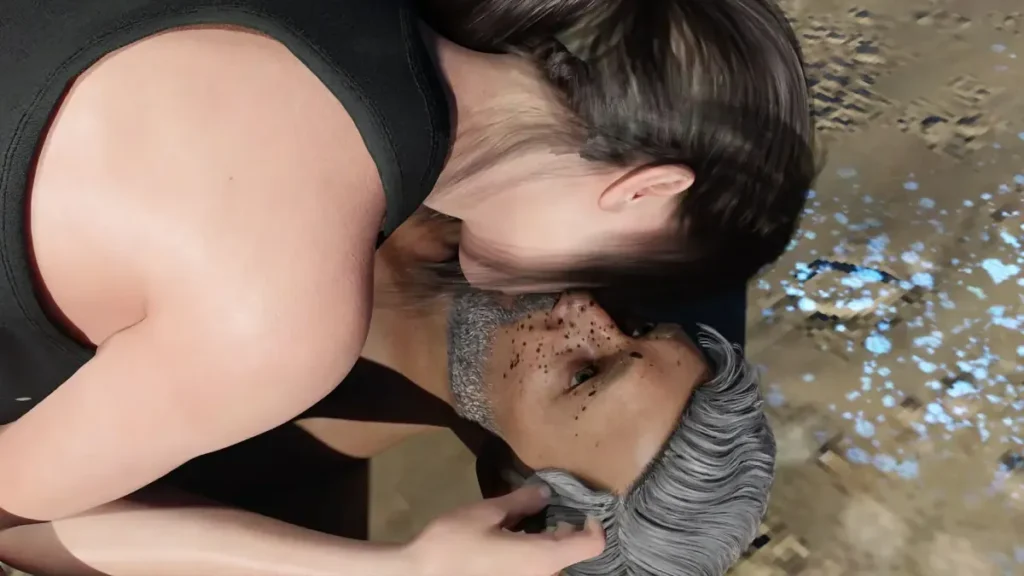
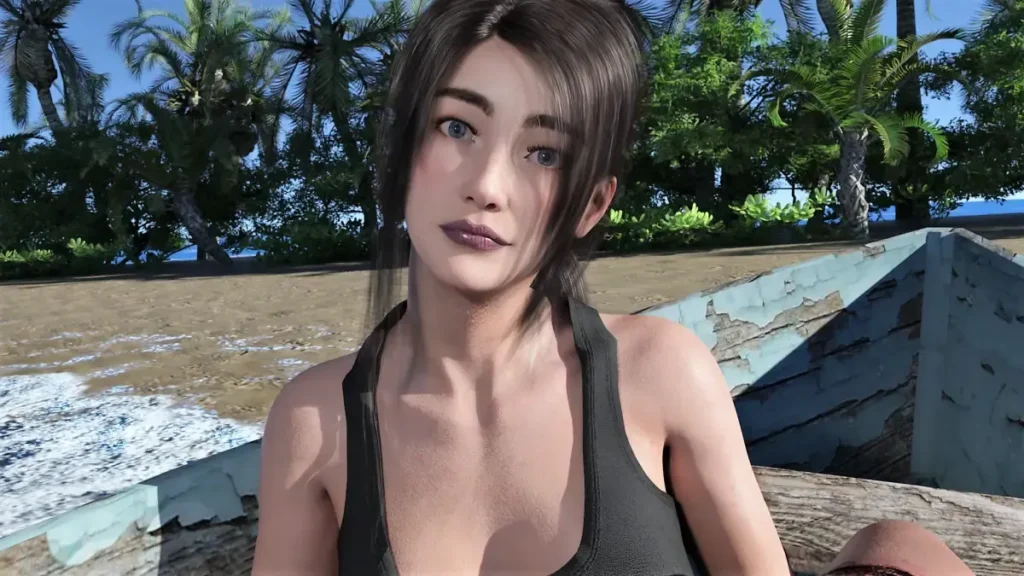
Imagine washing up on a sun-soaked island where every conversation could lead to romance, mystery, or unexpected twists—that’s the thrill of Lost in Paradise. This captivating adult visual novel hooked me from the first choice, blending choice-driven narrative with stunning visuals and deep character interactions. As you explore the island, your decisions shape romances, uncover secrets, and deliver lasting consequences that make every playthrough unique. Whether you’re new to visual novels or a seasoned player chasing branching paths, this game delivers immersive storytelling. Join me as I share my journey through its mechanics, characters, and tips to maximize your experience.
What Makes Lost in Paradise Gameplay So Addictive?
I still remember my first night playing Lost in Paradise. 🏝️ I was utterly enchanted by the lush, hand-painted backgrounds and the gentle sound of waves, so much so that I completely lost myself in the island exploration visual novel aspects. I was chatting with a mysterious local by a bonfire, and the game presented me with a seemingly innocent dialogue option: “That sounds like a lonely way to live.” I clicked it without a second thought. Fast forward three in-game days, and I was on a secluded moonlit beach with that character, sharing a deeply personal moment I hadn’t even known was possible. Another player I talked to chose the more pragmatic “You must be very self-sufficient” response and found themselves embroiled in a tense conspiracy about the island’s secrets instead. That single, split-second choice rerouted my entire narrative journey. That’s the magic, and the addictiveness, of Lost in Paradise gameplay.
It’s not just about watching a story unfold; it’s about being the architect of your own tropical destiny. Every hour you spend is a testament to your personal decisions, which is what makes coming back for more so utterly irresistible.
How Choice-Driven Narratives Shape Your Island Journey
At its heart, Lost in Paradise is powered by a masterfully crafted choice-driven narrative. This isn’t a game where you pick “Good” or “Evil” from a menu. 🧭 It’s subtler, more human. Your decisions are woven into the fabric of everyday interactions. Do you offer to help a character gather medicinal herbs, or do you press them for information about the strange ruins you saw? One builds trust and affection; the other might earn you respect—or suspicion.
The genius of this system is how choices affect the Lost in Paradise story on multiple levels. It’s not just about unlocking a specific ending (though there are several!). It’s about the journey there. A pattern of compassionate choices might open up a character’s vulnerable side, revealing hidden backstory scenes and romantic opportunities. Conversely, a consistently skeptical or pragmatic approach might align you with different island factions, unlocking paths focused on mystery-solving or survival.
I experimented with this in two dedicated playthroughs. In one, I played the “Moral Protagonist,” always offering help, seeking peaceful solutions, and prioritizing the group’s well-being. This led to incredibly tender character moments and a strong, family-like bond with the core cast. My second run was as the “Determined Investigator,” questioning everything, poking into forbidden areas, and prioritizing truth over tact. The island became a completely different place—darker, full of secrets, and my relationships were fraught with tension, but charged with a different kind of intensity. The same locations, the same characters, but a radically different feel. That’s the power of a true choice-driven narrative.
Exploring Branching Dialogue and Lasting Consequences
The engine for this narrative depth is the game’s sophisticated branching dialogue system. Unlike visual novels where dialogue feels like a linear path with occasional detours, Lost in Paradise makes every conversation feel like a living, breathing crossroads. The intuitive controls in Lost in Paradise make this a breeze. You’re not managing complex key bindings or menus; you’re simply clicking on the line that feels most true to your character in that moment. The interface is clean, responsive, and gets out of the way, letting you immerse fully in the drama and romance.
But be warned: these branches have real weight. This game is famous for its lasting consequences in Lost in Paradise. An offhand comment in Chapter 2 might be referenced with bitterness or gratitude in Chapter 6. A promise broken can permanently shut down a relationship path, while an act of loyalty remembered can provide a crucial ally in a later crisis.
To give you a concrete idea of how early choices can diverge your path, here’s a look at some potential outcomes:
| Your Dialogue Choice | Path A: The Compassionate Route | Path B: The Skeptical Route |
|---|---|---|
| “Your secret is safe with me.” | Unlocks a private, emotional confessional scene later that night, significantly boosting romance points. | The character is relieved but becomes slightly dependent on you, altering future decision dynamics. |
| “I need more proof before I believe that.” | The character is hurt, adding a layer of tension to your interactions for several scenes. | Unlocks a hidden “Investigation” side quest, leading to unique items and lore about the island’s history. |
| Share your limited supplies with a stranger. | They later reappear as a steadfast ally during a critical story event, turning the tide in your favor. | You are better equipped for an immediate survival challenge, but miss out on the long-term alliance. |
| Focus on repairing the radio vs. exploring the cave. | Advances the “Escape” narrative thread, leading to endings focused on returning to the outside world. | Advances the “Mystery” thread, revealing ancient secrets and endings tied to the island’s true nature. |
This table shows just a glimpse! The real Lost in Paradise gameplay experience is filled with dozens of these moments, creating a story that feels uniquely, authentically yours.
Tips for Mastering Intuitive Controls and Flow
While the intuitive controls in Lost in Paradise are designed for seamless play, a little strategy can help you curate your perfect island tale. Here’s my hard-earned advice for navigating this paradise:
The best way to experience Lost in Paradise is to play your first run completely blind—follow your heart. Then, use these tips to explore everything you missed!
The controls are simple, so your focus should be on managing your experience. First and foremost, save often, and in multiple slots. This isn’t just for avoiding mistakes; it’s for experimentation. See a tempting dialogue option? Save, choose it, and see where it leads! You can always rewind and try a different approach. This is the best way to truly feel the scope of the branching dialogue system.
Secondly, pay close attention to the visual and audio cues. A character’s expression might subtly change before you speak, hinting at what they want to hear. The music might swell softly during a key moment. The game is always communicating with you beyond just text.
Finally, don’t try to see everything in one go. Part of the joy is the replayability. Embrace the lasting consequences in Lost in Paradise. Let your first story be your story, with all its unexpected twists and turns. Then, come back for a completely different adventure, making opposite choices to discover how drastically choices affect the Lost in Paradise story.
This commitment to player agency and deep, reactive storytelling is what sets Lost in Paradise apart in the world of adult visual novels. It’s not just about the destinations—the steamy scenes or the shocking revelations—but about the profoundly personal journey you take to get there. Every playthrough is a new mystery, a new romance, a new version of paradise found… and shaped entirely by you.
To make the most of every journey, keep these practical tips in mind:
* Save Strategically: Before any major conversation or exploration decision, create a new save file. Label them clearly (e.g., “Before Lighthouse Choice”) to build a roadmap of your branching path.
* Listen Actively: Voice acting and musical shifts are often clues. A hesitant tone or a change in the soundtrack can signal a pivotal story moment.
* Prioritize One Connection Per Playthrough: Trying to max affinity with every character can dilute your story. Focus on one or two relationships that interest you most for a more cohesive and rewarding narrative arc.
* Embrace Your Role: Decide on a “role” for your character (the Hero, the Skeptic, the Romantic, the Survivor) and make choices that fit. This leads to a more consistent and satisfying story.
* Explore Thoroughly: Click on environmental details during free-roam exploration segments. Many contain optional lore, useful items, or even trigger unique, intimate character moments.
Lost in Paradise isn’t just a game—it’s a personalized adventure where your choices weave romance, mystery, and discovery on a breathtaking island. From the gripping choice-driven narrative to visuals that pull you in, it delivers replay value that kept me hooked for hours across multiple paths. If you’re craving an adult visual novel with real depth and lasting consequences, dive in today. Grab your save files, experiment boldly, and share your wildest endings in the comments—what path will you carve out in paradise?