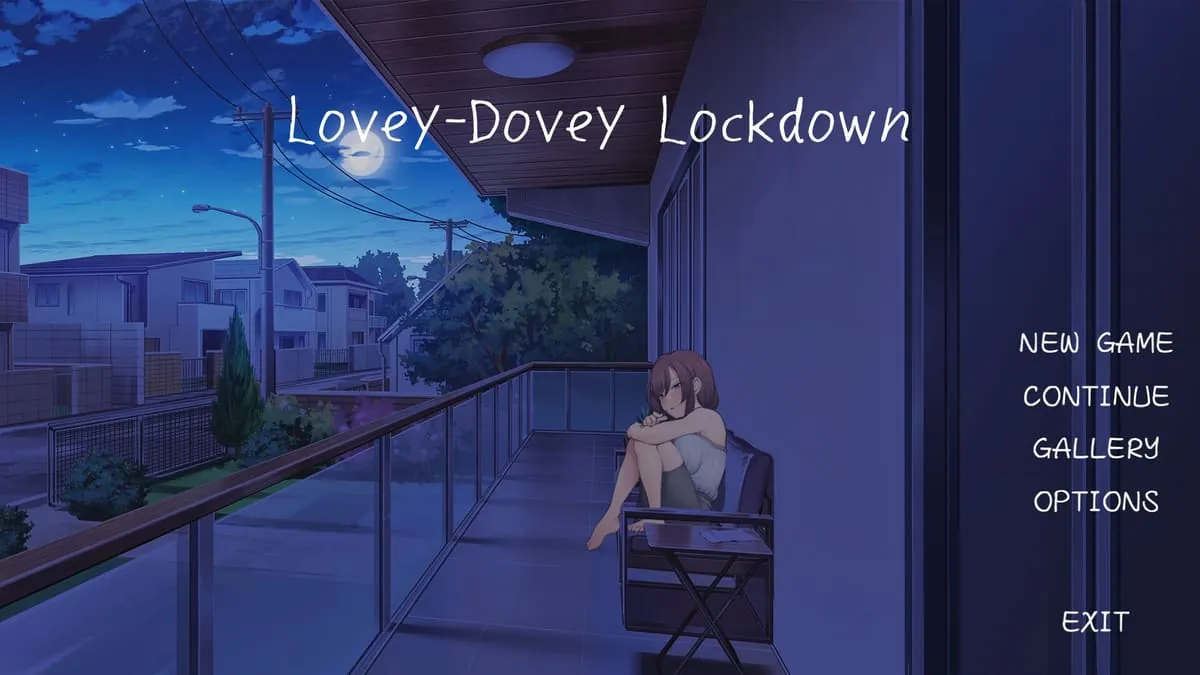
Radiant
Play Radiant
Radiant Screenshots


























Radiant review
A personal, in‑depth look at Radiant’s worlds, characters, and decision-driven gameplay
Radiant has gained attention for blending visual storytelling, deep character routes, and branching choices into a single, highly replayable experience. If you have heard about Radiant and are wondering what the game really offers, how its story works, and whether the gameplay feels engaging over time, this guide is for you. I will walk you through how Radiant is structured, what it feels like to play through multiple routes, and how your choices shape the outcomes. Along the way I will share personal impressions, a few cautionary notes, and practical advice to help you decide if Radiant deserves a spot in your gaming queue.
What Is Radiant and How Does It Play?
So, you’ve seen the name popping up in recommendations or on storefronts: Radiant. It sounds intriguing, but maybe you’re wondering what exactly you’re getting into. Is it a combat-heavy RPG? A puzzle game? A visual novel? If you’re someone who gets lost in a good story and loves the idea that your words and decisions actually matter, then you’re looking in the right place. Let me pull up a virtual chair and break down exactly what Radiant is and why its unique Radiant gameplay has captured so many players.
At its heart, the Radiant game is a narrative-driven experience built on conversation, character, and consequence. Imagine a beautifully illustrated graphic novel where you hold the pen. The focus is squarely on interpersonal dynamics, evolving relationships, and the branching paths your choices create. You won’t be managing intricate skill trees or complex combat systems here. Instead, you’ll be immersed in dialogue, making choices that feel personal, and watching as the story unfolds in surprisingly different directions based on your actions. It’s a world brought to life through expressive 2D art and a soundtrack that perfectly captures each moment’s mood, making every scene a memorable piece of a larger, personal tapestry. 🎭
Core Premise and Overall Structure of Radiant
Think of Radiant not as a single, linear tale, but as a web of interconnected stories waiting to be discovered. The core premise usually revolves around you, the player, entering a specific world or scenario—perhaps a magical academy, a tense political landscape, or a mysterious town. Your role is to navigate this world through its inhabitants. The overall structure of Radiant is elegantly organized around a few key pillars:
- Main Story Arcs: These are the central narratives that drive the plot forward, presenting major events and conflicts that affect everyone in the world.
- Character-Focused Routes: This is where Radiant truly shines. You’ll often have the chance to deepen your bond with specific characters, unlocking their personal stories, fears, and dreams. Pursuing a route means seeing the main story through the lens of your relationship with them.
- Key Turning Points: Scattered throughout are major decision moments that act like forks in a road, directing you toward one major narrative branch or another.
The magic of how Radiant works is in the interplay between these elements. You read a scene, rich with dialogue and atmosphere. Then, you’re presented with a choice. It could be a simple line of dialogue, a meaningful action, or a silent decision. You choose, and the story adapts. A character might remember your kindness (or your sharp words) chapters later. A door to a new scene might swing open, while another gently closes. This creates the fundamental, addictive loop of the Radiant game:
- Read a scene and absorb the story and character dynamics.
- Make a choice that feels true to how you want to respond.
- See the consequence, whether immediate or subtly woven into future interactions.
- Unlock new scenes, dialogue, or entire routes based on your accumulated decisions.
This structure is built for exploration. Your first playthrough will give you one complete, satisfying story—but it’s almost guaranteed to be just one version of many. The game’s design implicitly invites you back to see what could have been, making each run a new discovery. It’s less about “winning” and more about experiencing different facets of the world and its people.
How Choices and Branching Routes Work in Radiant
Alright, let’s get into the juicy part: the Radiant branching routes. This isn’t a system where you just pick “Good, Neutral, or Evil” at three big moments. The brilliance—and sometimes the delightful agony—of Radiant is that its branching is often subtle, woven into the fabric of everyday interaction.
Every dialogue option and story decision you make feeds into a living, breathing narrative calculus. Here’s what’s typically happening under the hood:
- Relationship Values: Many choices nudge your affinity with a character up or down, even if you don’t see a number. Getting a certain character to truly trust you might require a series of consistent choices that align with their personality.
- Scene Flags: The game quietly marks certain choices as “seen.” To unlock a special, intimate scene with a character later, you may need to have chosen specific supportive dialogue options in two or three earlier, seemingly casual conversations.
- Path Divergence: Major plot choices will put you on distinctly different narrative tracks, leading to unique events and, ultimately, different endings.
The most fascinating aspect is the delayed impact. A choice you make in Chapter 1 might not reveal its full significance until Chapter 5. On my first playthrough, I casually agreed to help a character with a minor personal task early on. It felt like a simple, nice thing to do. Much later, when that character was in a position to offer me crucial information, they did so without hesitation because I’d proven myself trustworthy way back when. That moment felt incredibly earned and personal—a direct result of my behavior, not a scripted plot point.
Let me give you a spoiler-free example of a Radiant choices guide in action. Imagine an early scene where a companion is venting about a frustrating superior.
* Choice A: “You should just follow the rules for now.”
* Choice B: “I get why you’re angry. That wasn’t fair.”
* Choice C: (Stay silent and offer a sympathetic look).
Choice A might keep you in the superior’s good graces, unlocking official mission paths later. Choice B might significantly boost your bond with that companion, making their personal route accessible. Choice C might be a neutral path, but perhaps it’s noted as a “observant” choice that matters for a different, more perceptive character’s route down the line. This is the essence of Radiant gameplay—small moments building into your unique story. 🧭
First‑Time Player Experience: What to Expect
Let me tell you about my first playthrough. I went in completely blind, armed only with the knowledge that choices mattered. I decided to role-play as myself: be generally kind, use humor where I could, and stand up for what felt right. I got utterly absorbed in one character’s storyline, drawn in by their chemistry with my protagonist. I made choices based on gut feeling, not strategy.
When the credits rolled on my first ending, I felt a deep sense of satisfaction… followed immediately by a burning curiosity. What about that other character who seemed so mysterious? What was behind that door I never got to open? What if I had said the other thing in that huge argument? I opened the game’s scene gallery or flowchart (a common feature in these games) and my jaw dropped. I had unlocked maybe 40% of the total content. That moment wasn’t discouraging—it was thrilling. I realized I had a whole other game’s worth of stories waiting for me.
This is the quintessential Radiant first playthrough experience: a personal, intimate journey followed by the exhilarating realization of just how much world is left to explore.
Here’s my practical, actionable advice for your first run:
Embrace the blind playthrough. Your first run is sacred. Don’t look up guides. Choose what feels authentic to you. The surprise of the consequences is the best part.
- Savor the dialogue. 📖 This isn’t a game to rush. Read the lines, listen to the voice acting (if present), and soak in the atmosphere. The nuance is where the characters come alive.
- Save often, and in multiple slots. 💾 Before any major decision or when starting a new chapter, make a new save file. It lets you backtrack easily if you want to explore a different choice without replaying hours.
- Abandon the “perfect run” mindset. There is no single “best” ending on a first try. Every ending is a valid, complete story. The “perfect” run is the one that feels most true to your choices.
- Expect a character-driven pace. Radiant often leans into slow-burn storytelling. It takes time to build relationships and establish stakes. Don’t expect rapid-fire plot twists every five minutes; instead, enjoy the gradual development that makes the big emotional moments hit so much harder.
To wrap up, stepping into Radiant is accepting an invitation to co-author a story. It’s a beautifully crafted framework where your agency is the main ingredient. Now that you understand what Radiant is and how Radiant works, you’re ready to dive in and let your own unique story unfold.
Your Radiant Starter Kit: Quick FAQs
| Question | The Short Answer |
|---|---|
| How long is one route in Radiant? | A single, focused playthrough to one ending typically takes between 6 to 12 hours, depending on your reading speed and how much you explore. |
| Can I see all the content in one run? | Almost certainly not! The game is designed around mutually exclusive choices and branching paths. Seeing everything requires multiple playthroughs, which is part of the fun. |
| Are there “game over” bad endings? | Sometimes, but they’re usually narrative conclusions (like a relationship falling apart) rather than punitive “you died” screens. They add to the story’s weight. |
| Is there a “canon” or true ending? | Games like Radiant often have endings that feel more “complete,” but every ending is considered a valid version of the story. The “true” ending is often one you unlock after experiencing others. |
| What’s the best tip for a brand-new player? | Play without a guide, save often, and make choices you can live with. Your authentic first run is a unique experience you can’t get back! |
Radiant stands out because it makes your decisions feel genuinely meaningful, turning each playthrough into a personal story rather than a fixed script. Once you understand how its routes, choices, and character paths work, the structure becomes part of the fun, inviting you to experiment and see what changes. If you are curious but hesitant, start with a relaxed first run, follow your instincts, and let the game surprise you. Then, on later playthroughs, dig deeper into alternate choices and routes to uncover everything Radiant has to offer.