
Only a Dream
Play Only a Dream
Only a Dream Screenshots








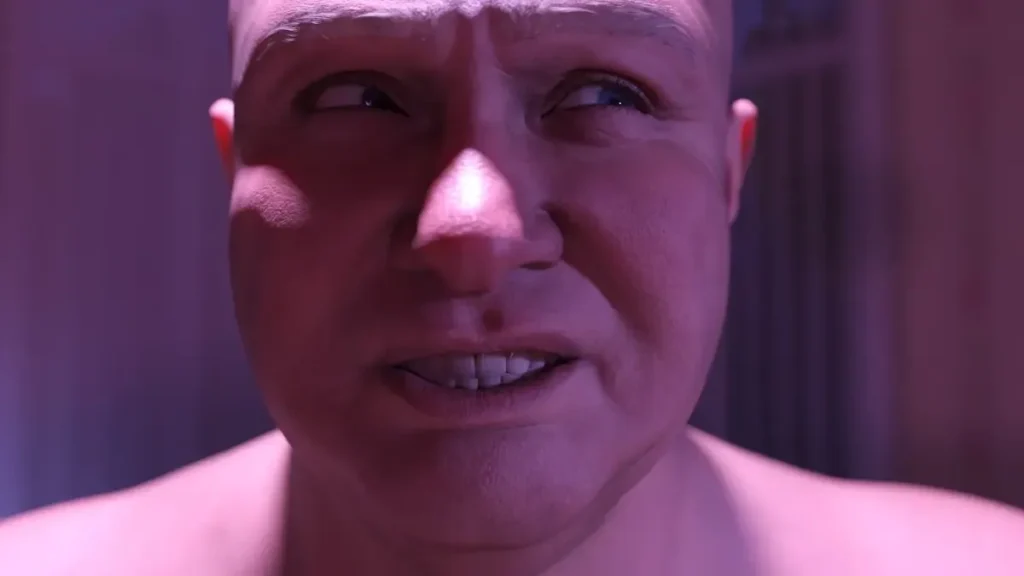







Only a Dream review
Explore the immersive world and unique features of Only a Dream
Only a Dream is a captivating interactive experience that blends narrative depth with immersive gameplay elements. This article dives into the core aspects of Only a Dream, highlighting its storyline, gameplay mechanics, and what sets it apart in its genre. Whether you’re new or looking to deepen your understanding, this guide offers practical insights and personal reflections to enhance your journey through the game.
Exploring the Story and Setting of Only a Dream
Have you ever woken from a dream so vivid, so emotionally raw, that it clung to you for hours, making the real world feel slightly out of focus? 😴 That’s the exact sensation Only a Dream captures and builds an entire world upon. This isn’t just another game you play; it’s an experience you feel in your bones, a journey into the fragmented heart of memory and longing. As an interactive story game, it redefines what it means to connect with a digital narrative.
Let’s pull back the curtain on this surreal masterpiece and explore the profound Only a Dream story, the haunting atmosphere that cradles it, and the unforgettable Only a Dream characters who guide you through the haze.
What is the narrative behind Only a Dream?
At its core, the Only a Dream narrative is a poignant exploration of loss, guilt, and the subconscious mind’s attempt to heal. You don’t simply watch this story unfold—you gently unravel it, piece by fragile piece, like recovering artifacts from a shipwreck at the bottom of your own psyche. 🌀
The premise is elegantly simple yet deeply complex: you are Eli, a person adrift, pulled into a shifting, unstable dreamscape that mirrors your troubled memories. The objective isn’t to conquer or fight, but to understand and reconcile. The world itself is a character, morphing and reacting to your discoveries, making the surreal game story a deeply personal one. Is this a dream, a coma-induced fantasy, or a purgatory of the mind? The brilliance of the Only a Dream story is that it allows you to sit with that question, feeding you answers that are often more emotional than factual.
This approach creates a powerful emotional game narrative. I remember talking to a friend who played it. She described a section where Eli revisits a childhood home, not as it was, but as it felt—endlessly long hallways, a whispering garden, a clock that ticks backwards. “I didn’t just solve a puzzle to open a door,” she said. “I had to sit with a memory of a forgotten argument with my sister. The door only opened when I finally selected the dialogue option to apologize, even though no one was there. I cried at my desk. It felt like healing a scratch I didn’t know I had.”
Tip: Don’t rush. The most profound revelations in Only a Dream happen in the quiet moments of observation. Sit on the digital pier. Listen to the distorted music. The story is in the atmosphere as much as the action.
This is the magic of its storytelling. While other games might tell you about a character’s grief, Only a Dream makes you inhabit the very architecture of that grief, turning emotion into environment.
How does the dreamlike atmosphere shape the experience?
If the narrative is the heart, the dreamlike game atmosphere is the soul and body of the experience. 🎭 This isn’t just a “pretty” world; it’s a deliberate, psychologically charged space that actively participates in telling the Only a Dream story. The rules of reality are soft here. Walls breathe, landscapes refold like origami, and physics is merely a suggestion.
The visual and sound design are masterclasses in immersion. One moment you’re in a sun-dappled forest where the trees have glass leaves that chime in the wind; the next, you’re in a cavern where the stalactites are frozen tears and the only light comes from floating, sorrowful lanterns. This ever-shifting dreamlike game atmosphere does more than dazzle—it disorients and reveals. The world’s instability directly reflects Eli’s inner turmoil. A stable, happy memory might manifest as a cohesive, brightly lit space. A traumatic or repressed one? That might be a fractured, Escher-like maze where you walk on ceilings to progress.
Sound is another crucial layer. The audio landscape is a mix of haunting, melodic scores and unsettling, diegetic sounds—a child’s laugh echoing from an empty room, the distant sound of a record skipping, the oppressive silence of a void. 🎵 It’s this total sensory commitment that solidifies the surreal game story, making the impossible feel intensely tangible and emotionally weighted.
Playing it, I often found myself not asking “what do I do next?” but “what does this place feel, and what is it trying to show me?” The atmosphere becomes your primary guide, making every step forward a act of emotional interpretation as much as physical navigation.
Who are the key characters and their roles?
While Eli is your vessel, the journey through the dream is populated by enigmatic figures who are more than mere NPCs. They are manifestations of memory, facets of personality, and guides through the emotional fog. Understanding these Only a Dream characters is key to unlocking the narrative’s deepest layers.
Here’s a closer look at the pivotal figures you’ll encounter:
| Character | Role & Manifestation | Emotional Theme |
|---|---|---|
| The Keeper | A tall, serene figure who seems to maintain the dream’s structure. They offer cryptic advice and sometimes alter the landscape. | Guided introspection, the conscious mind trying to make order from chaos. |
| Wisp | A small, floating light that reacts to your emotional state. It leads you to hidden memories and can change color based on your dialogue choices. | Innocence, intuition, and the fragile spark of hope within grief. |
| The Silhouettes | Shadowy, humanoid forms that repeat specific actions or phrases in loops. They are often found in key memory locations. | Echoes of the past, unresolved moments, and the ghosts of interactions left unfinished. |
| Mirage | A character who looks familiar but whose face and details shift. They engage in the most direct, and often painful, conversations. | Confrontation, guilt, and the projection of people from Eli’s waking life onto the dream canvas. |
😶 The genius in these Only a Dream characters is their ambiguity. They resist simple labels. Is The Keeper a protector or a warden? Is Wisp a friend or a fragment of Eli’s own spirit? This ambiguity forces you, the player, to project your own understanding onto them, making your personal interpretation a core part of the emotional game narrative.
Your interactions with them are rarely about gathering quests. Instead, you might share a moment of silence with The Keeper on a broken bridge, or choose whether to comfort or ignore a weeping Silhouette. These subtle choices gently steer the dream’s tone and influence the final catharsis Eli reaches, making you a co-author of this deeply personal surreal game story.
In the end, Only a Dream stands as a landmark interactive story game because it trusts its audience with silence, symbolism, and their own emotional intelligence. It proves that a game’s power isn’t just in the grandeur of its conflict, but in the quiet, resonant truth of its inner world. To play it is to remember how to feel, and to discover that sometimes, the most important worlds to explore are the ones we build inside ourselves every night. 🌌✨
Only a Dream offers a uniquely immersive experience through its compelling story and atmospheric design. Its dreamlike narrative and complex characters invite players to engage deeply and reflect on the themes presented. Whether you’re exploring the game for the first time or revisiting it, the journey through Only a Dream promises to be memorable and thought-provoking. Dive in and discover the layers waiting to be uncovered.