My Sweet Neighbors
Play My Sweet Neighbors
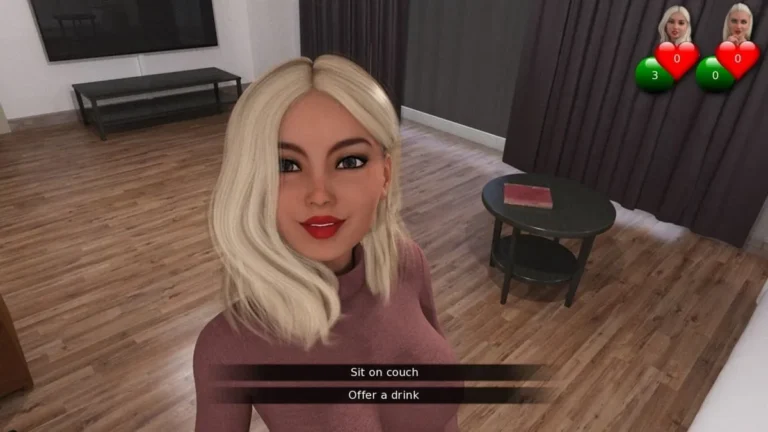
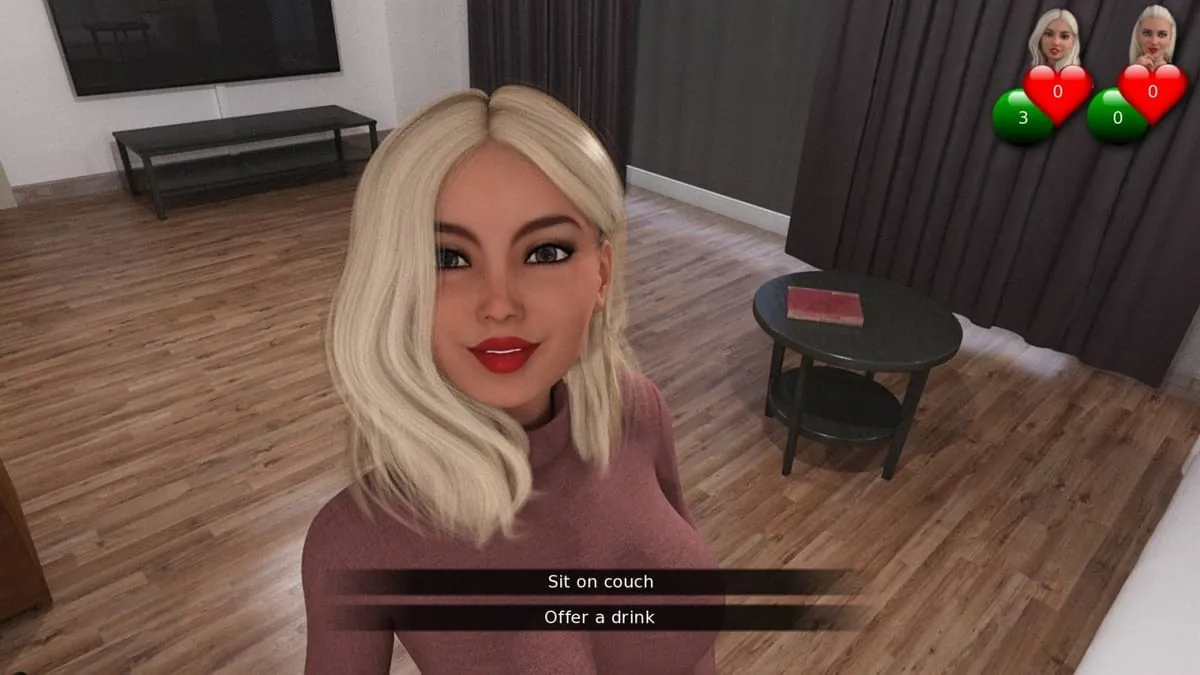
My Sweet Neighbors Screenshots






My Sweet Neighbors review
Everything you need to know about this popular interactive narrative experience
My Sweet Neighbors stands out as a compelling interactive narrative experience that has gained significant attention within the gaming community. This game combines engaging storytelling with player choice mechanics, allowing you to shape your own experience through meaningful decisions. Whether you’re new to this type of game or a seasoned player looking to explore what makes My Sweet Neighbors unique, this comprehensive guide covers everything from core gameplay mechanics to character development and community reception. Discover what makes this title a recommended choice for fans of narrative-driven games.
Understanding My Sweet Neighbors: Gameplay & Core Features
Ever downloaded a game expecting one thing and getting something completely—and wonderfully—different? 😊 That was me with My Sweet Neighbors. I thought I was in for a cute, casual little story about borrowing sugar. What I found was a deep, absorbing world where every chat over the fence felt genuinely significant, and forgetting to return a lawnmower could literally change the course of my virtual life. If you’re curious about what makes this interactive narrative tick, you’re in the right place. Let’s pull back the curtain on the My Sweet Neighbors gameplay and the systems that make it so uniquely compelling.
### What Makes My Sweet Neighbors Stand Out? 🏡
In a sea of narrative games, My Sweet Neighbors doesn’t just join the block party—it hosts it. While many titles offer choice, this game makes you feel the weight of every single one, embedding them into the very fabric of your daily, seemingly mundane interactions. The genius is in its setting: a relatable, cozy neighborhood. This isn’t about saving the world from dragons; it’s about navigating gossip, building trust, and discovering the secrets hidden behind perfectly manicured lawns. The narrative-driven game experience is powerful precisely because it’s so intimately scaled.
So, what’s in the welcome basket? Here are the key My Sweet Neighbors features that define your stay on this peculiar street:
- Dialogue is Your Primary Tool: Every conversation is a mini-game. Your choices shape how characters perceive you, opening or closing avenues for friendship, romance, or rivalry.
- The Relationship Web: Characters talk about you (and each other) when you’re not around. Helping one neighbor might annoy another, creating a dynamic, living social ecosystem.
- Time & Resource Management: Days and weeks pass. You have limited energy and in-game “time” each day. Will you chat with the retiree at number 5, help fix a broken swing at number 3, or investigate that strange noise coming from the attic of number 7?
- Hidden Depth Behind Simple Tasks: A request to “water the plants” while a neighbor is away is never just about watering plants. What might you find? A clue? A secret letter? A reason to be suspicious?
- Ambient Storytelling: The environment tells a story. A changing decoration, a new car in a driveway, or drawn curtains can signal a shift in a character’s life or mood, encouraging you to investigate.
The core interactive narrative game mechanics are designed to make you care about these pixelated people. I remember once, early on, I snapped at Mr. Jenkins for being overly fussy about his rose bushes. For the next three in-game days, he’d barely wave, and I noticed my other, friendlier interactions became slightly strained—word gets around! It was a brilliant lesson that this world has a memory, and your reputation is a currency more valuable than gold.
### Core Gameplay Mechanics and Player Choice 🎮
This is where the magic happens. The My Sweet Neighbors gameplay loop is deceptively simple: wake up, check your mailbox and phone for messages, plan your day, and interact with the world. But beneath this calm surface lies a complex network of systems reacting to your every move. The heart of it all is the player choice branching story structure.
Every interaction, from a full conversation to a simple gesture, feeds into two major systems:
- The Relationship Matrix: This is the game’s social engine. Each character has a hidden relationship score with you and with other characters. Your actions don’t just affect your bond with them; they can alter how they feel about each other. Gift a bottle of wine to one neighbor, and their rival might see you as taking sides.
- The Story Flag System: The plot advances based on specific conditions you meet (or fail to meet). Did you discover a key piece of evidence before Day 10? Did you achieve a “Trusted” status with a certain character? These flags silently open up new story branches and lock away others.
Let’s break down a typical interaction and its potential outcomes:
| Your Action / Dialogue Choice | Immediate Reaction | Potential Long-Term Story Consequence |
|---|---|---|
| Agree to hide a “borrowed” garden gnome from another neighbor. | +Trust with the requester. Immediate sneaking mini-game. | Unlocks a secret “Partner in Crime” storyline with that character. May close off honest, forthright paths with the gnome’s owner. |
| Politely refuse, suggesting they return it. | Slight, temporary dip in rapport with the requester. | Positions you as a moral center. May later earn respect from other neighbors for your integrity, opening different confidant stories. |
| Report the theft immediately to the owner. | Major trust loss with the thief. Gain a favor from the owner. | Could start a lasting neighborhood feud you’re forced to navigate. The “thief” character’s future story arcs become more secretive and hostile toward you. |
Pro Tip: There are no “right” choices, only your choices. My first playthrough, I was a people-pleaser, and it led to a pleasant but shallow experience where I was tangled in white lies. My second time, I played as a blunt, curious busybody, and I uncovered dark family secrets I never knew existed! This player choice branching story design guarantees no two players will have the exact same narrative.
The character relationship mechanics are further nuanced by gifts, favors, and shared activities. Remembering a character’s mentioned birthday or favorite coffee isn’t just fluff; it can be the key to unlocking a vulnerable conversation they wouldn’t have otherwise. The game masterfully ties progression to emotional intimacy, not just task completion.
### Story Structure and Narrative Progression 📖
Unlike a linear novel, the story in My Sweet Neighbors unfolds like a sprawling, personalized television series where you’re the showrunner, director, and star. The story progression system is elegant in its flexibility. Think of it as a “hub-and-spoke” model.
The central hub is the overarching neighborhood timeline—major events like the annual street fair, a sudden storm, or a mysterious power outage. These events happen for everyone, but how you experience them is entirely dependent on the spokes: your individual relationships and the personal questlines you’ve triggered.
For example, the “Street Fair” hub event will play out drastically differently if:
* You’re coordinating the bake sale with the retired baker.
* You’re investigating a series of petty thefts with the suspicious security guard.
* You’re trying to sabotage a rival’s flower display for a friendly neighbor.
* You’re on a first date with someone at the fair, trying to impress them.
Your personal narrative threads weave through these communal events, creating moments that feel uniquely yours. The pacing is masterful; quiet days of simple chats are punctuated by dramatic reveals or emotional climaxes that feel earned because you did the legwork to get there. The game balances character development with plot advancement by ensuring that major plot points are almost always tied to reaching a new level of understanding with a character.
Replayability is this game’s crown jewel. That first cozy playthrough is just one path through the garden. The player choice branching story means subsequent visits can feel like entirely new games. Perhaps you focus on a character you initially ignored, or you actively make antagonistic choices to see how the neighborhood unravels. I’ve played through four times, and I still found new scenes and dialogue combinations on my last run. The narrative depth is astonishing.
Is it accessible for new players? Absolutely. 🎯 If you enjoy stories, you’ll be right at home. There are no twitch reflexes or complex puzzles required. The interface is clean, and the game does a wonderful job of introducing its mechanics gradually. You’ll be a pro at navigating its social landscape within the first in-game week. It’s perfect for both veterans of interactive drama and complete newcomers to the genre.
Ultimately, My Sweet Neighbors offers a rich, thoughtful, and deeply personal narrative-driven game experience. It proves that the most compelling stories aren’t always about epic battles, but about the quiet wars fought over hedge trimmers, the alliances formed during block parties, and the profound truths shared over a cup of tea on a porch at sunset. It’s a game that stays with you, not for the challenges you overcame, but for the neighbors you came to know—and the person you chose to be in their world.
My Sweet Neighbors offers a rich interactive experience that appeals to players seeking meaningful narrative choices and character-driven storytelling. The game’s combination of engaging mechanics, well-developed characters, and branching storylines creates a compelling reason to explore multiple playthroughs. Whether you’re drawn to the relationship-building aspects, the narrative depth, or the freedom to shape your own story, My Sweet Neighbors delivers on its promise of an immersive experience. If you enjoy games that prioritize player agency and character development, this title deserves a place in your collection. Start your journey today and discover why this game has become a recommended choice within the gaming community.