Desert Stalker
Play Desert Stalker
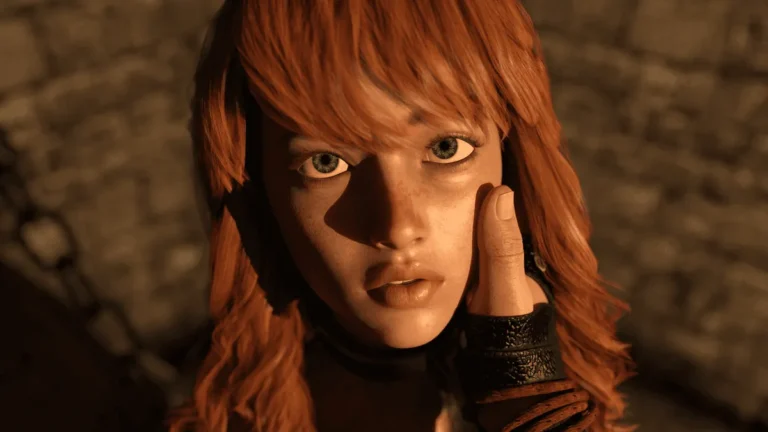
Desert Stalker Screenshots
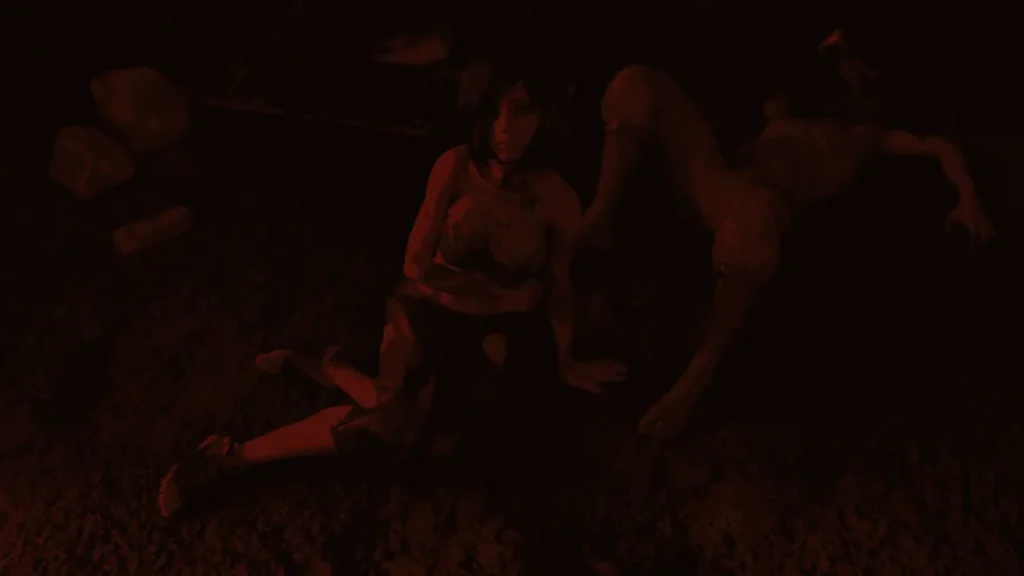


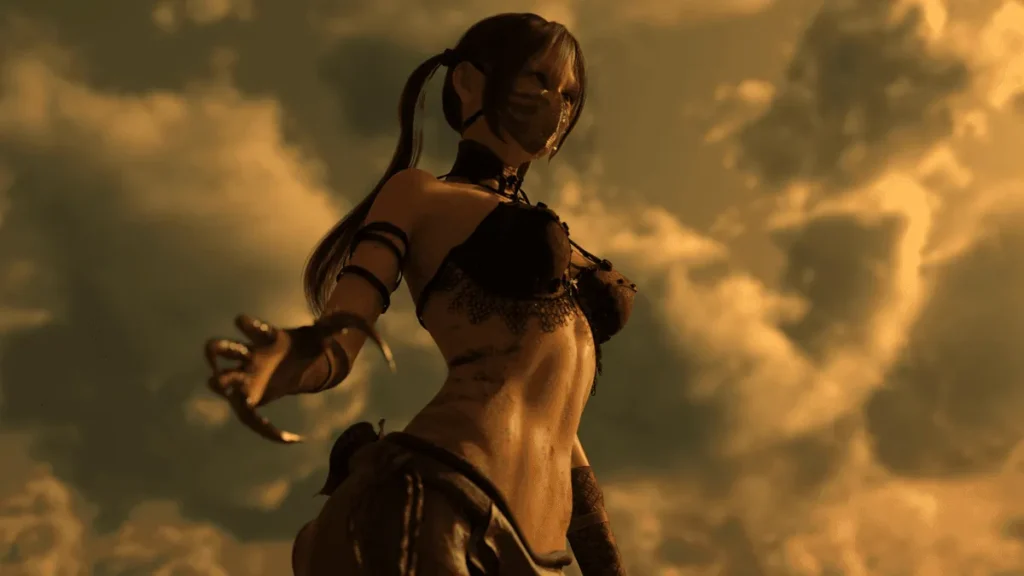


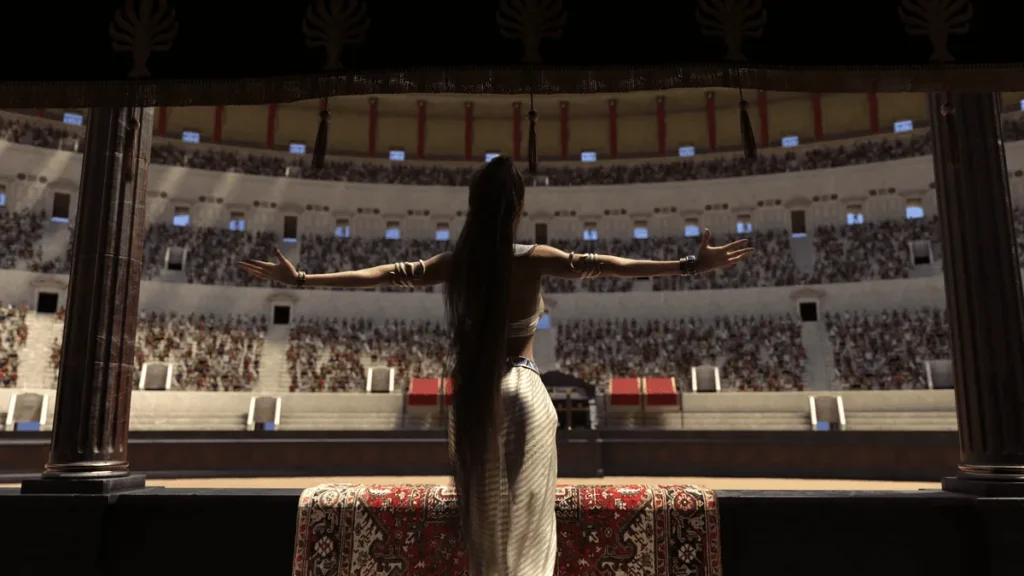
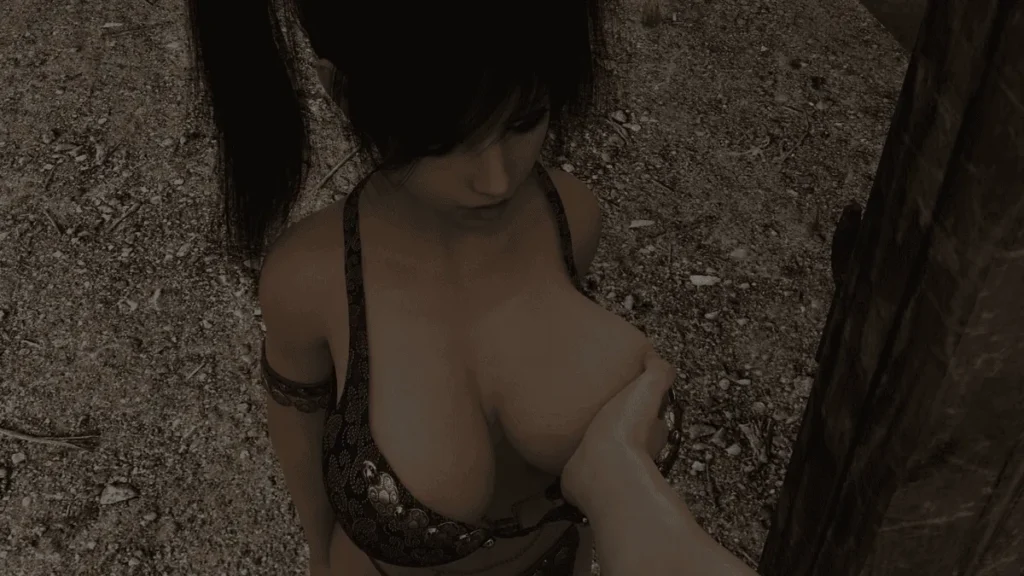
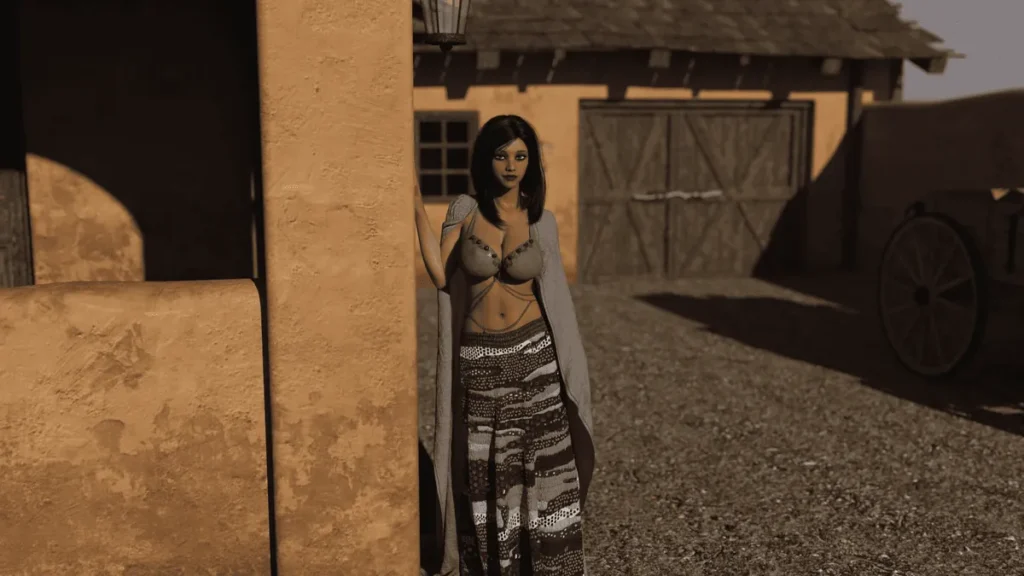

Desert Stalker review
Explore the post-apocalyptic world, master quest systems, and navigate character relationships in this adult visual novel
Desert Stalker is an adult visual novel developed by Zetan that immerses players in a richly detailed post-apocalyptic Egypt setting. As a seasoned antiquity scavenger, you navigate a world filled with dangerous factions, mysterious artifacts, and complex character relationships. The game combines traditional linear storytelling with free-roam sandbox elements, allowing you to shape your narrative through high-impact decisions. Whether you’re interested in uncovering the game’s mystery plot, building relationships with diverse characters, or exploring the various quest lines, Desert Stalker offers a branching experience where your choices genuinely matter. This comprehensive guide covers everything you need to know about gameplay mechanics, story structure, character interactions, and strategic decision-making.
Understanding Desert Stalker’s Core Gameplay Mechanics
So, you’ve downloaded Desert Stalker, drawn in by its stark, sun-bleached visuals and the promise of a harsh post-apocalyptic narrative. You start playing, and suddenly you’re hit with a realization: this isn’t a simple click-through story. 🎮 You’re presented with a map, multiple locations, characters with their own schedules, and a journal full of looming tasks. It can feel overwhelming. I remember my first session, staring at the screen thinking, “Wait, am I supposed to follow the main plot or go help that person first? What if I miss something?”
That moment of delightful panic is the heart of Desert Stalker gameplay mechanics. This isn’t just a visual novel; it’s a living, breathing world where your agency is the main character. The game masterfully blends a gripping, linear storyline with free-roam storytelling gameplay that puts you firmly in the driver’s seat. Your choices don’t just change a line of dialogue; they alter landscapes, alliances, and lives. This chapter is your survival manual, breaking down exactly how this intricate machine works so you can stop worrying about mechanics and start truly living in the wasteland.
How the Sandbox and Quest System Works
At its core, Desert Stalker presents you with a central hub—often your home base—and a world map. This is your gateway to the sandbox visual novel quest system. Think of it less like a railroad and more like a web. 🕸️ From your hub, you can choose which location to visit each day. Some days will be consumed by advancing the critical path, a tense, story-heavy sequence that pushes the overarching plot about the Fallen, the Stalkers, and the secrets of this world.
But on other days, the world is yours to explore. This is where the sandbox shines. You might decide to trek to the market to gather supplies, check in on a companion at their home, or explore a dangerous ruin marked on your map. Each location can trigger quests, events, or crucial conversations. The genius here is pacing. The game never forces you to rush. A major story beat about an impending threat can hang in the air while you spend a few in-game days helping a neighbor fix their water filter. This control over the tempo makes the world feel real and your role within it consequential.
The quests themselves are split into two broad categories, which I’ve broken down to show how they structure your experience:
| Quest Type | Primary Objectives | Faction Involvement | Character Focus |
|---|---|---|---|
| Main / Plot Quests | Unravel the central mystery, advance the primary narrative, confront major threats. | High. Directly involves the Desert Stalker faction system (like the Decade horde or Zeta City authorities). | The protagonist’s core mission and survival; drives the lore of the world. |
| Side / Character Quests | Resolve personal dramas, acquire resources, build alliances, explore optional stories. | Low to Moderate. May involve interacting with Raiders or Mutant groups tangentially. | Deepens bonds with individuals like Shani, Omega, or other survivors; unlocks personal backstories. |
The journal is your best friend here. It neatly tracks your active objectives, but it won’t hold your hand. Some side quests have time-sensitive elements or prerequisites based on your previous character relationship building choices. Missing a window to talk to someone might close off a story branch, at least temporarily. This creates a fantastically replayable loop where no two playthroughs have to be the same. My advice? Don’t try to do everything in one go. Embrace the role-play. Is your Stalker a focused pragmatist? Stick mostly to the main path. Are they a community builder? Dive headfirst into every side story you find. The sandbox visual novel quest system is built to support both styles.
Character Interaction and Relationship Building
If the quests are the skeleton of Desert Stalker, the characters are its beating heart. ❤️🔥 This is where the game transitions from a fun sandbox to an unforgettable narrative experience. Every significant interaction, from a brief chat to a life-saving decision, is governed by a hidden tapestry of affinity and disposition.
Let’s take a central character like Shani. Your interactions with her aren’t just about picking “nice” or “mean” dialogue options. They’re about consistency, support, and understanding her personality. Offering help when she’s vulnerable, respecting her independence, or including her in your plans—these actions slowly build trust. The game tracks this through subtle cues: changes in her dialogue tone, the availability of new, more personal conversation topics, and eventually, her willingness to support you in critical moments. This is the essence of character relationship building choices. They are rarely black and white. A choice that seems harsh in the short term (like insisting on a difficult truth) might earn you more respect in the long run than a placating lie.
Pro Tip: Pay close attention to character animations and music shifts during dialogues. A character looking away, a sigh, or a sudden change in the soundtrack are often your only clues to the impact of your words before you see the narrative consequences unfold.
These relationships are the primary vehicle for choice-based narrative consequences. A character you’ve built a strong bond with might vouch for you in a dangerous situation, offer you unique resources, or share information that unlocks entirely new paths. Conversely, neglecting or alienating characters can leave you isolated. You might miss crucial warnings, find doors literally locked because you lack an ally’s key, or be forced to take on challenges alone. In one of my playthroughs, I was so focused on external threats that I failed to support a companion during their personal crisis. Later, when I desperately needed their specialized skills, they simply weren’t there for me. The game doesn’t flash a message saying “Relationship Level Decreased.” It just lets the consequence happen, making it feel earned and real.
This system extends beyond one-on-one relationships into the broader Desert Stalker faction system. Your dealings with the major powers of the wasteland are, at their core, relationships with groups. Here’s a breakdown of the key players and what they mean for your playthrough:
- The Decade / The Fallen: 😰 This isn’t a faction you negotiate with in a traditional sense. They are the ever-present, zombie-like horror born from the apocalypse. Your “relationship” here is defined by survival. Choices that involve how you deal with their threats—aggressively purging areas, stealthily avoiding them, or researching their origins—define your Stalker’s approach to the world’s greatest danger.
- The Mutants: 🧬 Often ostracized and feared, interactions with mutant groups can range from hostile skirmishes to cautious trading or even uneasy alliances. Your choices here test your character’s prejudice and pragmatism. Helping or understanding them can unlock unique avenues and perspectives on the fallen world.
- The Raiders: ⚔️ The classic scavengers and opportunists of the wasteland. You can choose to fight them on sight, pay them off for safe passage, or even leverage their ruthlessness for your own goals. Dealing with raiders often presents moral shortcuts—effective but costly to your conscience and reputation with others.
- Zeta City & The Stalkers: 🏙️ This represents the last bastion of so-called civilization and its protectors. Your standing here is crucial. Do you uphold the strict, often harsh laws of the City as a loyal Stalker? Or do you question authority and operate on the fringes? Your choices directly affect your access to resources, information, and your very identity within the social order.
Navigating this web is the game’s ultimate strategic layer. You cannot be everyone’s friend. Aiding the mutants might anger the purists in Zeta City. Cooperating with raiders for a quick gain could destroy the trust of a companion who lost family to them. The Desert Stalker faction system ensures that your alliances define your story’s political landscape.
Content Customization and Player Preferences
One of the most respectful and player-forward features of Desert Stalker is its suite of content filter customization options. 🛡️ The developers understand that the intense, adult-oriented world they’ve created might not be to every player’s taste in its entirety, or you might want to tailor the experience for different playthroughs. This isn’t just a simple on/off switch; it’s a detailed control panel for your experience.
Right from the start, the game invites you to set levels for content involving violence, intimate scenes, and certain character dynamics. This is a game-changer. Perhaps you’re here for the deep post-apocalyptic survival story and intricate character relationship building choices, but want to tone down the visceral horror. You can do that. Maybe you want to focus entirely on the narrative and political drama, adjusting the experience accordingly. The filters allow you to curate the tone without breaking the narrative flow, ensuring the story remains coherent and compelling.
Furthermore, the game often presents you with narrative choices that affect the direction of mature content. You might have the option to pursue or avoid certain romantic or intimate subplots with characters. These aren’t just titillating detours; they are often woven into character development and relationship milestones. The content filter customization options work in tandem with these in-game choices, giving you two layers of control: a mechanical filter at the settings level, and a narrative choice within the story itself.
This philosophy of customization feeds directly back into the core Desert Stalker gameplay mechanics. It acknowledges that player agency isn’t just about what you do in the story, but how you experience the story. One player’s gripping, gritty tale of survival is another player’s harrowing psychological journey. The ability to adjust this ensures the game’s challenging themes are accessible, allowing more people to engage with its superb free-roam storytelling gameplay and complex moral questions.
This level of control culminates in the profound choice-based narrative consequences. Because you can shape not only the events but also the very tone of the content, your journey becomes uniquely yours. The consequences of your actions—who lives, who dies, who thrives, and what the wasteland becomes—carry the weight you’ve allowed them to have. It creates a powerful, personal connection to the story that few other games in the genre achieve.
So, dive into the settings without hesitation. Shape the world to your comfort and curiosity. Then, step out into the blinding sun of the desert, your journal in hand, your alliances waiting to be forged or broken. Every location you choose, every word you speak, and every filter you set becomes a brushstroke on the canvas of your own unique saga. The desert is waiting, Stalker. It’s time to leave your mark. 🏜️
Desert Stalker stands out as a sophisticated adult visual novel that successfully blends narrative depth with player agency. The game’s combination of sandbox exploration, branching quest lines, and meaningful character relationships creates an experience where your decisions genuinely shape the story and world around you. Whether you’re drawn to the mystery plot, faction conflicts, character development, or the immersive post-apocalyptic setting, the game offers multiple pathways to engagement. The robust customization options ensure that players can tailor their experience to their preferences, from content filters to playstyle choices. With its cinematic presentation, detailed character modeling, and consequence-driven narrative system, Desert Stalker delivers a compelling experience that rewards exploration and thoughtful decision-making. As the game continues to receive updates and expand its content, it remains a standout title for players seeking a narrative-rich visual novel with substantial player choice and world-building depth.