Bad Teacher
Play Bad Teacher
Bad Teacher Screenshots
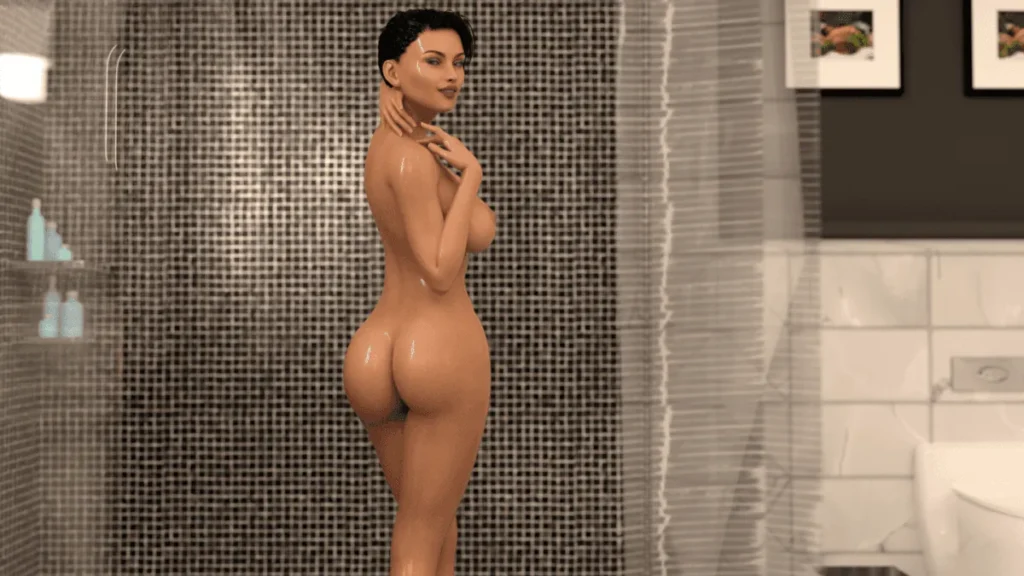

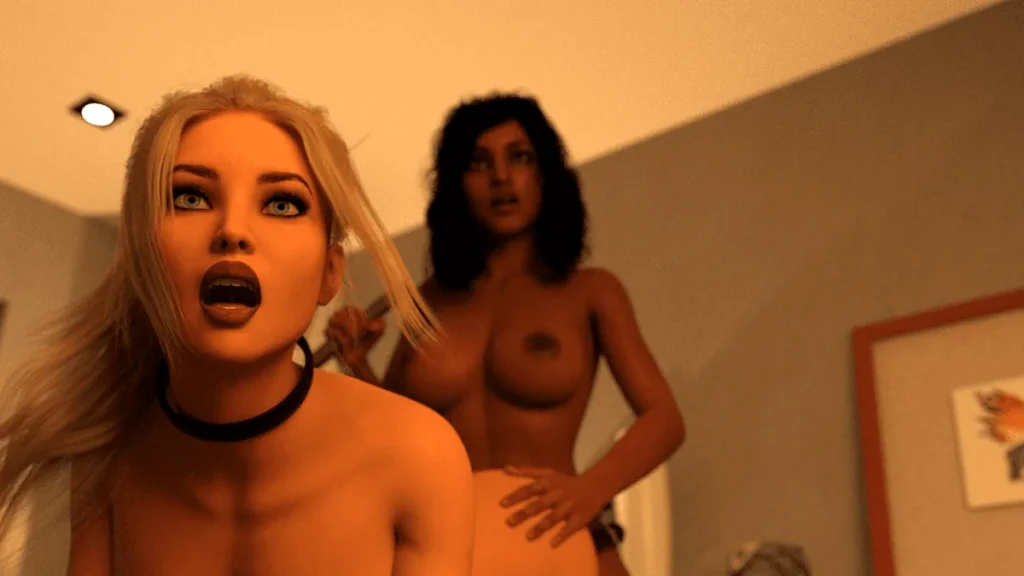
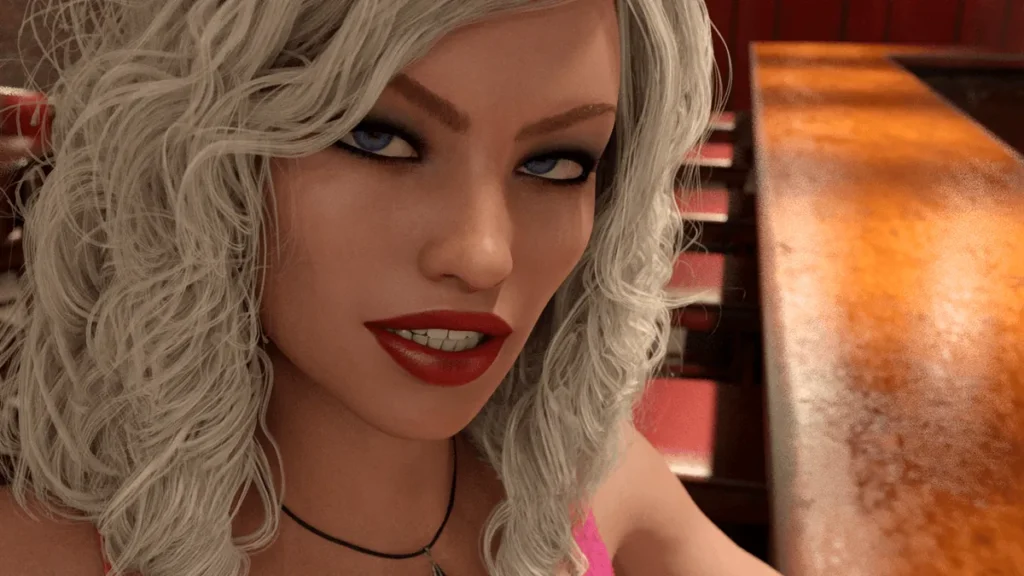
Bad Teacher review
An in-depth, player-focused guide to the Bad Teacher game experience
This article is a hands-on exploration of the Bad Teacher game, written for players and curious readers who want an honest, practical guide. From the moment you launch the game you’ll notice its distinctive mechanics and character design; throughout this piece I share personal experiences, playthrough anecdotes, and actionable tips to help you get the most out of your sessions. Whether you’re trying the game for the first time or aiming to master advanced strategies, this guide covers setup, core systems, progression advice, and community best practices while keeping the focus strictly on the Bad Teacher game.
Overview: What the Bad Teacher Game Is and How It Plays
Alright, let’s get into it. So, you’ve heard the buzz and you’re curious about this Bad Teacher game overview. Maybe you’re expecting a straight-laced school sim? Think again. 😉 At its heart, Bad Teacher is a character-driven, narrative experience where you step into the shoes of a new educator… who might not have gotten into the profession for purely altruistic reasons. The game blends visual novel storytelling with light management and relationship-building mechanics, all wrapped in a distinct, stylish package. It’s primarily available on PC through popular gaming platforms, offering a mix of scripted storytelling and player agency.
This Bad Teacher game overview will break down exactly what you’re signing up for, from that first click to the core loops that keep you playing. Whether you’re here for the story, the characters, or the unique premise, let’s dive in.
What to expect on first launch
Getting started is straightforward. After a quick download and install—the file size is pretty reasonable for a narrative-focused title—you’ll be greeted with a sleek main menu. You’ll typically have the option to start a new story, continue, or tweak settings. One of the first smart choices the game makes is letting you jump right into the experience without mandatory account creation; a guest playthrough is perfectly viable.
Now, let’s talk tech. You don’t need a monster rig to enjoy the Bad Teacher game experience. The Bad Teacher system requirements are quite modest, which is great for players without high-end gaming PCs. The focus is squarely on delivering smooth visuals and uninterrupted storytelling.
| Platform | Approximate File Size | Minimum System Specs |
|---|---|---|
| PC (Windows) | ~2-4 GB | OS: Windows 7+, CPU: Modern dual-core, RAM: 4 GB, GPU: Integrated graphics (DirectX 11 compatible) |
My own Bad Teacher tutorial first impression was a pleasant surprise. I was braced for a lengthy, hand-holdy intro, but instead, the game throws you into a short, defining scenario. You’re introduced to your character and the core dilemma almost immediately. It’s less about teaching you button presses and more about establishing tone and stakes. I remember fumbling through my first few dialogue choices, trying to figure out if I should be stern, charming, or sarcastic—the tutorial neatly frames these as your primary tools. It’s effective and gets you to the good stuff fast. 🚀
Core mechanics and user interface
The Bad Teacher gameplay mechanics are elegantly simple on the surface but offer surprising depth. Your main gameplay loop revolves around a cycle of planning, interacting, and progressing.
- Dialogue & Choices: This is the engine of the game. You’ll spend most of your time in conversations with a diverse cast of Bad Teacher characters—students, faculty, and others. Your choices directly influence relationships, unlock new story branches, and can even alter how scenes play out later. It’s all about personality and strategy.
- Resource & Time Management: Each “day” or chapter segment often gives you a limited number of action points. Do you spend them grading papers (to manage a progression metric), chatting with a troubled student to build rapport, or pursuing your own… extracurricular interests? 🧐 This layer adds a satisfying puzzle element to the narrative.
- Unlocking Content: Progress is gated behind both story progression and relationship levels. Building a bond with a key character might unlock a special scene, while advancing the main plot opens new locations and interactions.
The user interface is clean and intuitive. You’ll primarily interact with:
* A central dialogue window with clearly marked choice buttons.
* A character profile panel that shows your current relationships and stats.
* A task or objective tracker to keep your current goals clear.
* An inventory or key items screen for things you collect along the way.
* A simple settings menu with standard audio, visual, and control options.
Mastering these Bad Teacher gameplay mechanics is about understanding that every action, even a seemingly small dialogue pick, is a resource spent toward shaping your unique story.
Art, characters, and narrative hooks
The Bad Teacher visual style is a major part of its appeal. It leans into a polished, modern anime-inspired aesthetic, with crisp character designs and expressive details. The environments, from classrooms to more private spaces, are richly drawn and full of little details that sell the game’s world. The color palette is vibrant when it needs to be and suitably moody in more dramatic moments, doing a fantastic job of setting the tone without a word of dialogue. ✨
This commitment to style shines brightest in the Bad Teacher characters. Each one is visually distinct, with designs that tell you something about their personality before they even speak. From the overly enthusiastic club president to the perpetually unimpressed colleague, the art team has done a stellar job creating a memorable cast. The characters feel like archetypes you recognize, but the writing and your interactions allow you to discover deeper, sometimes unexpected, layers.
The narrative is delivered in an episodic format, with the story unfolding across distinct chapters or “days.” This structure makes it perfect for short play sessions. The storytelling relies heavily on branching choices—your decisions can lead to dramatically different scenes and endings. There are also scripted set-piece events that advance the core plot, ensuring the story has momentum and direction regardless of your side pursuits.
Pro Tip: Don’t rush through dialogue! The Bad Teacher characters often drop hints about their likes, dislikes, and personal histories. Noting these can help you make better choices down the line when it really counts.
So, who is this game for? If you enjoy narrative games where your choices matter, if you love digging into character relationships and seeing how stories branch, you’ll find a lot to love here. It’s for players who appreciate a stylish Bad Teacher visual style and a premise that isn’t afraid to be a little mischievous. It’s less about challenging reflexes and more about engaging your empathy, your strategy, and maybe your inner rebel. This Bad Teacher game overview should give you a solid picture of the unique, character-rich world waiting for you. Now, it’s your turn to step into the classroom and make your mark. 🍎
Bad Teacher is a niche title with a clear set of mechanics and a dedicated player base; this guide covered installation and first impressions, progression priorities, practical strategies, community engagement, and troubleshooting. Throughout I shared personal playthrough examples and actionable tips to help readers make faster progress and enjoy the experience more. If you found these strategies useful, try applying the early-game priorities in your next session and consider sharing your results with the community so others can learn from your approach.