Artemis
Play Artemis
Artemis Screenshots
















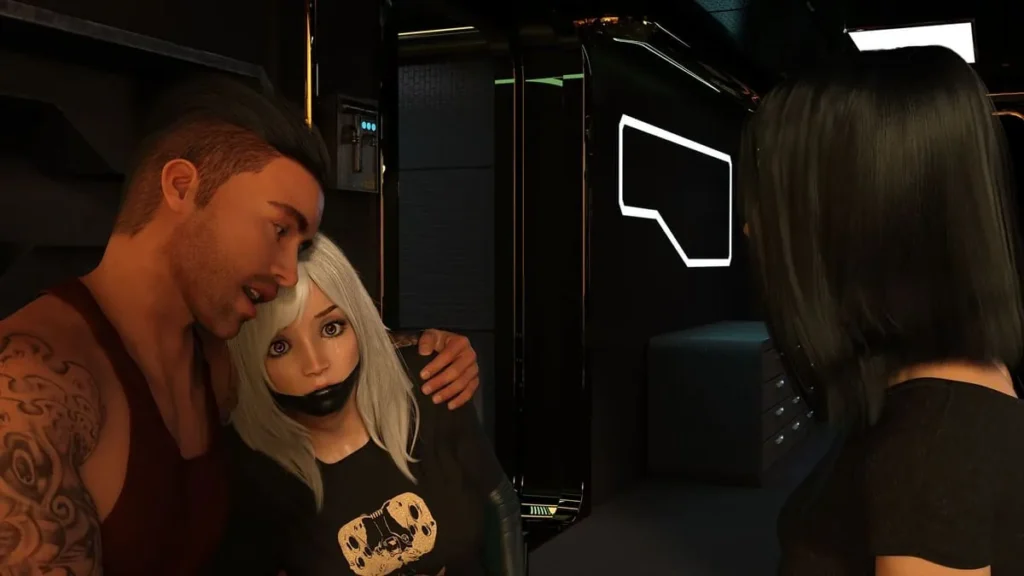

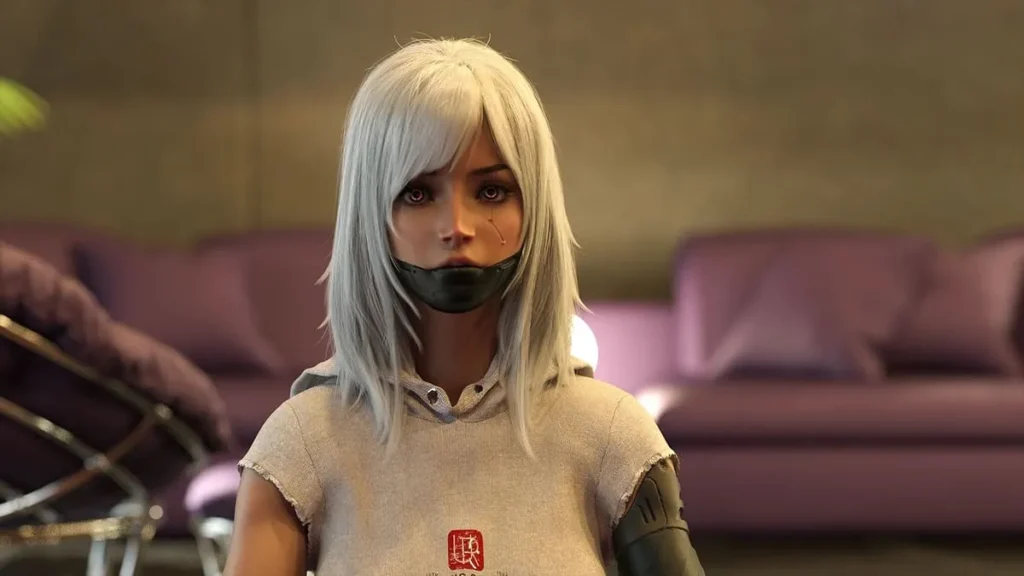









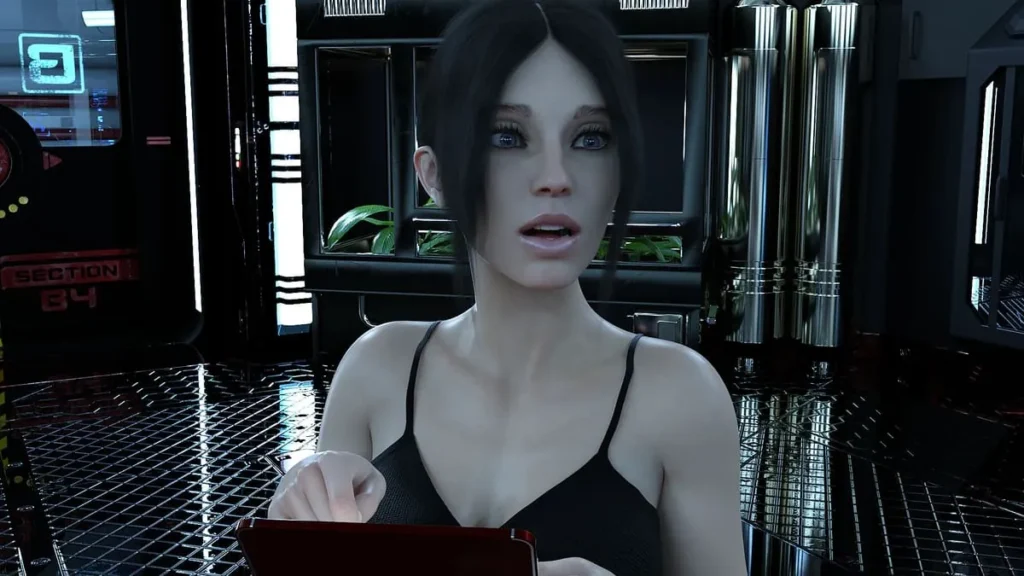



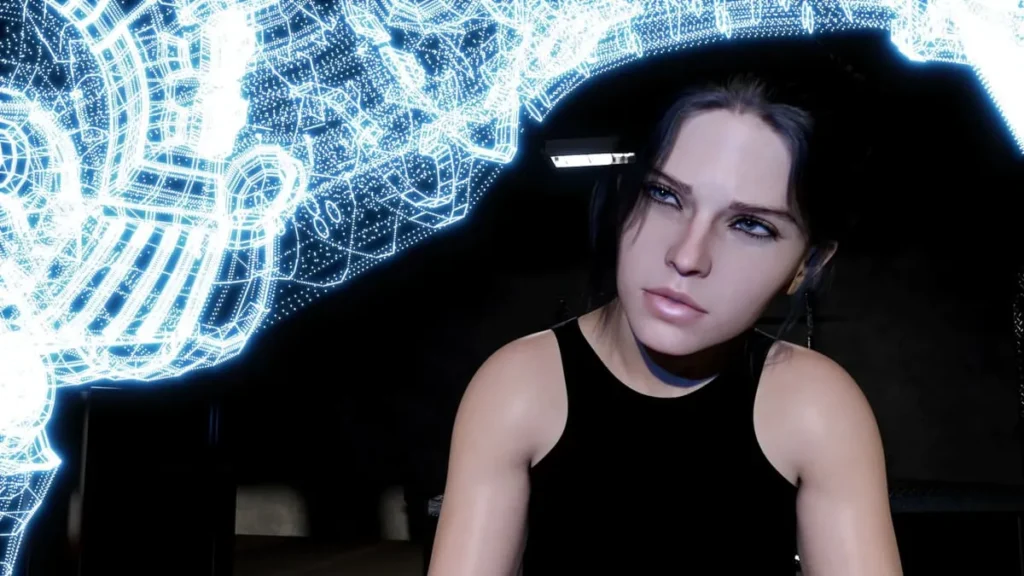

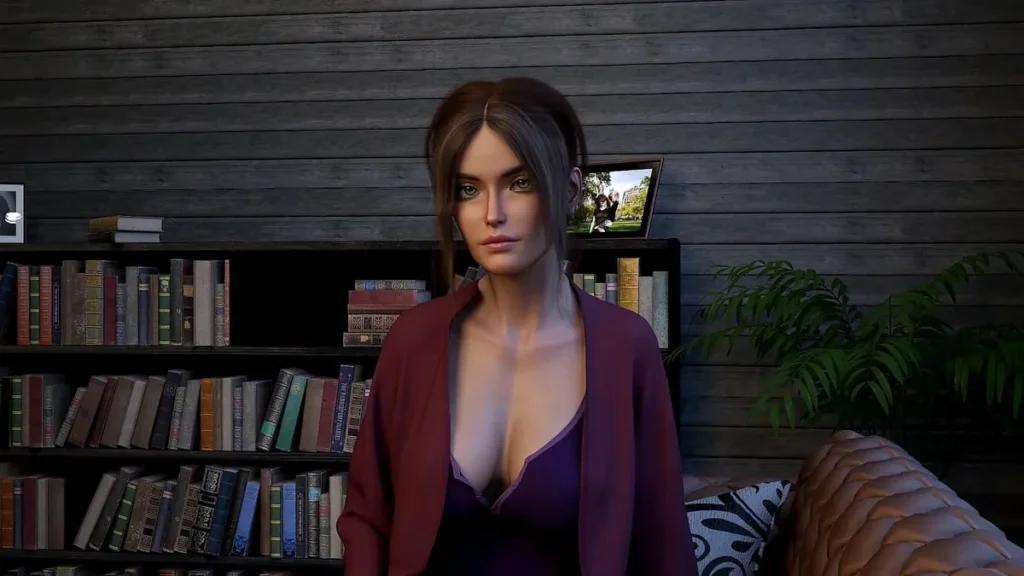
Artemis review
Exploring themes of healing, character development, and narrative choices in this adult-oriented visual novel experience
Artemis stands out as a thoughtfully crafted visual novel designed for adult audiences, offering a unique narrative experience centered on personal recovery and emotional growth. The game invites players into a journey that begins three years after a traumatic event, where the protagonist embarks on a path toward healing and self-discovery. Unlike traditional action-oriented games, Artemis prioritizes storytelling, character relationships, and meaningful choices that shape the player’s experience. Whether you’re a seasoned visual novel enthusiast or exploring the genre for the first time, understanding what Artemis offers can help you decide if this narrative-driven experience aligns with your gaming preferences. This guide explores the game’s core elements, gameplay mechanics, and what makes it a compelling choice for mature players seeking emotional depth in their gaming.
Understanding Artemis: Core Gameplay and Narrative Structure
You’ve probably heard the term “visual novel” thrown around, but if your only point of reference is classic dating sims or kinetic novels with no choices, you’re in for a revelation. 🎮 Artemis is not just another entry in the genre; it’s a masterclass in using the format’s unique strengths to tell a deep, affecting, and mature story. As someone who’s played more than my fair share of narrative-driven games, I can tell you that Artemis visual novel stands apart by dedicating its entire being to a single, powerful theme: the long, non-linear path of healing.
At its core, a visual novel is an interactive story driven by text, visuals, and sound. Your role is less about quick reflexes and more about empathy, observation, and choice. Artemis embraces this completely. It leverages classic visual novel gameplay mechanics—like dialogue trees and branching paths—not to offer superficial romance options, but to simulate the delicate, often painful, process of rebuilding a life. This is a game that understands that recovery isn’t a straight line, and its structure reflects that beautifully. If you’re seeking a passive experience, look elsewhere. Artemis demands your emotional investment and rewards it with one of the most authentic portrayals of personal growth in gaming.
### What Makes Artemis a Unique Visual Novel Experience? ✨
So, what sets Artemis apart in a sea of interactive fiction? First, it’s the uncompromising focus on its central premise. The story begins three years after a life-altering, painful event. You don’t play through the event itself; you live in its long, lingering aftermath. This immediate three-year jump is a brilliant narrative device. It bypasses the initial shock and drops you right into the complex, messy reality of long-term recovery—a phase most stories gloss over.
This framework fundamentally shapes the gameplay mechanics. Unlike many adult visual novels that might focus on risqué content, Artemis uses its mature rating to explore psychological depth, complex relationships, and the weight of daily existence after tragedy. The pacing is deliberate, reflective, and sometimes uncomfortably slow, mirroring the protagonist’s own journey. You’ll spend time on seemingly mundane tasks, conversations, and moments of quiet reflection. These aren’t filler; they are the essence of the game. Healing happens in the small, quiet moments between the big dramatic beats, and Artemis makes you feel every one.
Furthermore, it belongs to a special category of recovery story games. While other games might feature a character who “gets better” as a subplot, here, it is the plot. Every system, every choice, and every character interaction is filtered through this lens. The character-driven storytelling is paramount; you’re not just watching a story unfold, you are actively participating in the reconstruction of a person’s world, one careful decision at a time.
Q: I’m new to visual novels. What should I expect?
A: Expect a heavily story-focused experience. Think of it like an interactive book or a choose-your-own-adventure movie. Your primary interactions will be reading text, making choices at key moments, and enjoying the art and music that set the mood. There are no puzzles or action sequences—the drama is entirely in the narrative and your decisions.
Q: Are there content warnings I should know about?
A: Absolutely. As a mature **adult visual novel**, Artemis deals directly with themes of psychological recovery, grief, anxiety, and depression. The narrative handles these themes with care, but they are central and ever-present. It’s an emotionally demanding experience, so please ensure you’re in the right headspace for it.
Q: How long is the game, and is there replay value?
A: A single playthrough might take 10-15 hours, depending on your reading speed. The **replay value**, however, is significant. With genuine **branching narrative choices**, your decisions can alter relationships and lead to different emotional outcomes and endings. Seeing how one key choice changes a later scene is a powerful incentive to play again.
Q: Is there a “right” way to play?
A: No. One of the game’s greatest strengths is that it doesn’t judge your path. Some choices might lead to a more positive outlook, others to a deeper struggle, but all feel authentic to the journey. Play honestly, based on what you feel in the moment.
### The Recovery Journey: Story and Themes 🌱
Let’s talk about the heart of Artemis: its story. The game refuses to offer cheap, quick fixes. The three-year time skip is a statement of intent. We join the protagonist, whom you guide, not at the start of their pain, but deep within the arduous process of living with it. This creates a narrative structure built on introspection and gradual change rather than sudden plot twists.
The themes are the pillars of the experience:
* Healing is Non-Linear: You will have good days and bad days in the game. A breakthrough in one conversation might be followed by a crushing sense of regression later. This realism is what makes the character-driven storytelling so potent. It validates the player’s own understanding that growth is messy.
* The Weight of Memory: The past is a constant, invisible character. How you choose to engage with memories—whether to avoid them, confront them, or reinterpret them—becomes a core gameplay mechanic. These aren’t simple flashbacks; they are interactive moments that shape your present mindset.
* Rebuilding Connections: Isolation is a common symptom of pain, and Artemis explores the slow, terrifying, and rewarding work of letting people back in. The supporting cast isn’t just there for exposition; they are potential anchors, mirrors, and catalysts for your growth. Your relationships with them directly reflect your progress.
* Finding a New Normal: The game powerfully explores the idea that you don’t “get over” a profound loss; you learn to carry it differently. The quest isn’t to return to who you were, but to discover who you are now. This theme is woven into every aspect, from the dialogue options to the evolving background art and soundtrack.
I remember a specific, non-spoilery moment from my playthrough: the protagonist just sitting and staring out a window as the rain fell, the music a soft, melancholic piano piece. In another game, I might have clicked impatiently for the next plot point. In Artemis, I just sat with them. That moment of shared, quiet melancholy was the point. It was a narrative-driven game asking me to feel the weight of a quiet afternoon, and it was incredibly effective.
To see how Artemis’s approach compares to other story-focused games, consider this breakdown:
| Game Type | Primary Focus | Player’s Role | How Artemis Compares |
|---|---|---|---|
| Traditional RPG | Quest completion, combat, leveling up | Hero overcoming external obstacles | Focus is internal; “obstacles” are emotional states and relational hurdles. |
| Choice-Driven Adventure (e.g., Telltale games) | High-stakes narrative, often with quick-time events | Director of a cinematic drama | Pacing is slower, more literary. Choices are less about survival and more about personal philosophy and emotional honesty. |
| Kinetic Visual Novel (No Choices) | Delivering a single, fixed narrative | Observer/Reader | Artemis is fundamentally interactive. Your agency in shaping the recovery journey is the entire point. |
| Other Adult Visual Novels | Often romance, humor, or fantasy scenarios | Partner/Pursuer/Protagonist | Uses the mature format for psychological realism and deep thematic exploration rather than primarily romantic or sensational content. |
### Player Agency and Meaningful Choices 💭
This is where Artemis truly shines as an interactive medium. Your agency isn’t about changing the world; it’s about changing a mindset. The branching narrative choices are rarely grand, dramatic declarations. Instead, they are subtle, everyday decisions that accumulate into a profound portrait of a person.
The visual novel gameplay mechanics here are elegant in their simplicity but deep in their consequence:
* Dialogue Trees: These aren’t just for gathering information. Choosing how to respond to a friend’s concern—with gratitude, deflection, sarcasm, or silence—will slowly define that relationship. A pattern of open responses may unlock deeper, more supportive conversations, while consistent deflection may cause friends to respectfully pull back, mirroring real-life dynamics.
* Internal Monologue Choices: Some of the most important choices happen inside the protagonist’s head. Will you indulge a negative thought spiral, or consciously try to redirect your thinking? These moments directly influence your emotional state, which can unlock or lock certain dialogue options later.
* Symbolic Actions: Choosing to keep an old memento or donate it, deciding to cook a meal versus ordering takeout—these small actions are narrative check-ins on your progress. They show, don’t tell, where you are on your journey.
My Advice: Don’t try to “game” the system. Play your first run intuitively. What feels right in the moment? The emotional truth of your experience will be far more rewarding than hunting for a perceived “best” ending.
Let’s look at a concrete, hypothetical example of how this web of choices works:
Example: The Ripple Effect of a Single Choice
Early in the game, a friend invites you to a low-key group gathering. You have a choice:
1. Accept, albeit nervously.
2. Politely decline, citing fatigue.
3. Decline abruptly with a curt excuse.
This seems small. If you choose #1, you’ll experience a scene where you might feel anxious, but also share a genuine laugh. A side character you meet there remembers your kindness weeks later, offering you a small job or a word of encouragement when you’re feeling low—a support you wouldn’t have otherwise.
If you choose #2, the friend checks in on you later, reinforcing their care. This path might deepen a one-on-one bond, leading to more intimate, confessional conversations down the line.
Choice #3, however, might cause that friend to hesitate before inviting you again. It could take several subsequent, positive interactions to rebuild that trust. This choice doesn’t “fail” the game; it simply creates a different, equally valid narrative path—one where repairing a self-inflicted strain becomes part of your recovery story.
This is the genius of Artemis visual novel. It understands that in real life, our biggest journeys are mapped by a thousand small turns. The save system is your friend here—not just to preserve progress, but to allow you to sit at a crossroads, save, and live with the consequences of each path for a little while. It encourages reflection on why you chose what you did.
Artemis is more than a game; it’s an experience in empathetic simulation. It uses the core tools of visual novel gameplay mechanics—text, choice, art, and sound—to craft a character-driven storytelling masterpiece that stays with you long after the credits roll. It asks difficult questions and doesn’t provide easy answers, trusting you, the player, to find meaning in the struggle. For anyone seeking a mature, thoughtful, and deeply human story in their narrative-driven games, this adult visual novel is not just a recommendation; it’s an essential journey.
Artemis represents a meaningful entry in the visual novel genre, offering players a chance to engage with mature storytelling centered on recovery and personal transformation. The game’s strength lies in its commitment to character development and narrative depth, allowing players to shape their journey through meaningful choices that impact relationships and story outcomes. For those seeking an emotionally resonant gaming experience that prioritizes dialogue, character interaction, and psychological themes over action sequences, Artemis provides a compelling alternative to mainstream gaming. The three-year recovery framework creates a unique narrative foundation that explores healing in thoughtful, nuanced ways. If you’re interested in exploring visual novels with emotional depth and mature themes, or if you’re looking for a game that challenges you to think about your choices and their consequences, Artemis deserves consideration. Take the time to explore different narrative paths, pay attention to character development, and allow yourself to become invested in the recovery journey the game presents.